

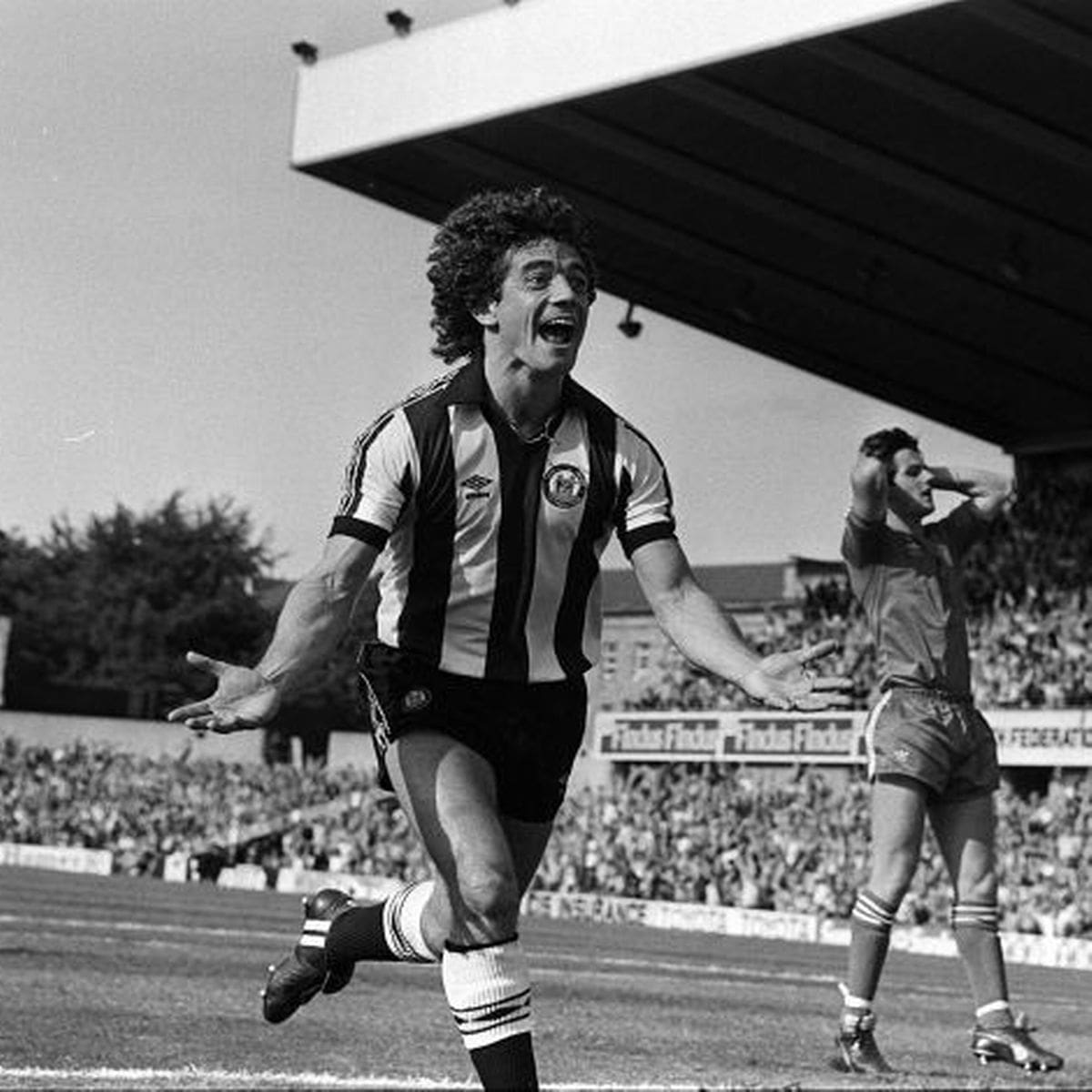
In the 1980s, English football grounds were not just arenas for sport. They were contested spaces, shaped by hooliganism, racism and, in some cases, the open presence of the far right. Few episodes illustrate this more starkly than an incident recalled decades later involving Kevin Keegan and Newcastle United.
According to former Newcastle and England goalkeeper Shaka Hislop, Keegan, then a Newcastle player, was horrified to discover members of the National Front distributing pamphlets from the precincts of St James’ Park. The National Front, a far-right, explicitly racist organisation, was at that time seeking to recruit and normalise itself through football crowds, exploiting the tribalism and visibility of the game.
What happened next is telling. Hislop recounts learning that Keegan went directly into Newcastle United’s boardroom and made his position unmistakably clear: if the National Front were not removed from the stadium environs, he would leave the club.
This was not a symbolic gesture. Keegan was one of the most recognisable figures in English football; a European Footballer of the Year, a talismanic presence and a player whose departure would have carried real sporting and reputational consequences. His intervention mattered precisely because it involved leverage, not just words.
At a time when clubs routinely turned a blind eye to racism in the stands and when “politics” was often cited as a reason for inaction, Keegan’s response cut through the evasions. He treated the presence of fascist activists at his club’s home ground not as an unfortunate sideshow but as something fundamentally incompatible with the values of the game and the institution he represented.
The episode also undermines a familiar myth: that footballers of that era were apolitical, disengaged or unwilling to challenge the status quo. Keegan did not grandstand publicly, nor did he issue manifestos. Instead, he acted decisively behind closed doors, using his position to force the club to choose between tolerating extremism or keeping one of its biggest stars.
That choice, it seems, was not difficult.
Today, as football once again grapples with questions of identity, inclusion and the boundaries of acceptable behaviour, the story resonates powerfully. It is a reminder that neutrality in the face of organised hatred is itself a political choice and that leadership sometimes consists of saying, simply, this stops here.
Keegan’s stand at St James’ Park did not end racism in football. But it drew a clear moral line at a moment when too few were willing to do so. In an era increasingly comfortable with shrugging at extremism, it remains an example worth remembering.







