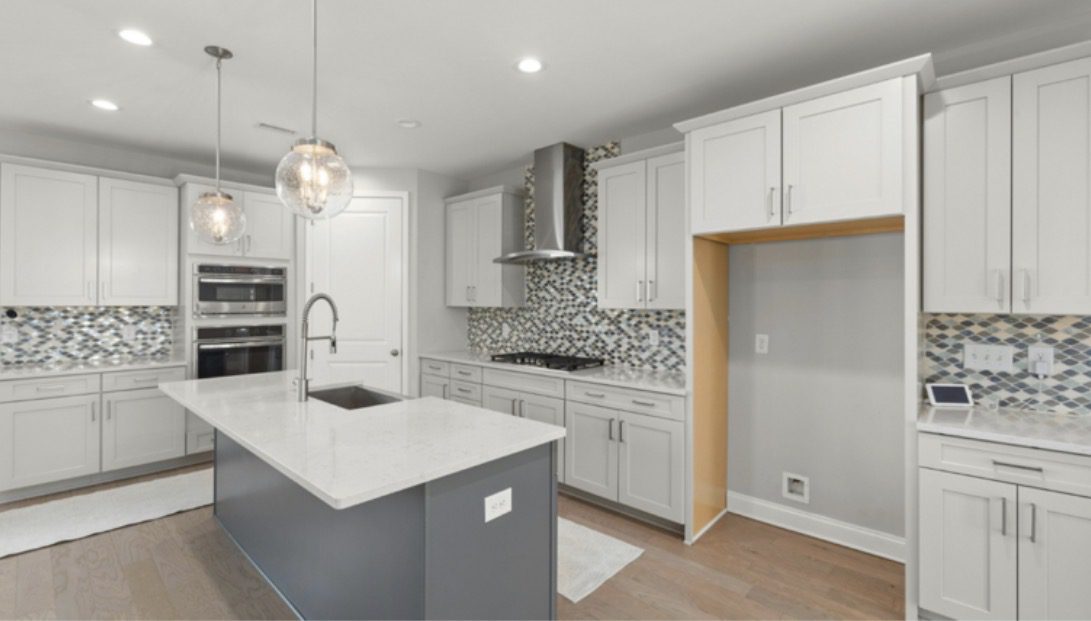
Updating a kitchen doesn’t always require a full renovation to create a noticeable transformation. One of the most effective ways to refresh the space is by rethinking the backsplash, where subway tile continues to offer remarkable flexibility in both style and layout.
With the right combination of size, finish, color, and pattern, subway tile can shift from classic to modern with ease. These ideas show how thoughtful design choices can elevate everyday kitchens, helping the space feel more polished, cohesive, and visually interesting.
Why Subway Tile Backsplash Ideas Never Really Go Out of Style
Subway tile has stuck around for a reason- it plays well with almost every kitchen style and budget imaginable. Small rental? Works. Open-concept showpiece? Also works. The rectangular format is weirdly forgiving, and there are genuinely hundreds of directions you can take it.
From a simple white running bond to a dramatic floor-to-ceiling color statement, subway tile backsplash ideas offer flexibility that’s hard to beat. TileBar carries thousands of ready-to-ship options, so you’re not waiting six weeks for a special order either.
The point here isn’t to recycle tired farmhouse aesthetics. These 10 ideas go in fresh directions- across different budgets, difficulty levels, and kitchen sizes, including small kitchen backsplash ideas, rentals, and flip projects.
Quick Snapshot: Which Idea Fits Your Budget?
| Idea # | Style | Budget | DIY Level | Best For |
| 1 | Classic/Modern | $ | Easy | Any kitchen |
| 2 | Modern/Minimal | $ | Medium | Small or galley |
| 3 | Bold/Eclectic | $$ | Medium | Open-concept |
| 4 | Color-Forward | $$ | Easy | Any kitchen |
| 5 | Mixed Materials | $$ | Medium | Mid-range reno |
| 6 | Handmade/Textured | $$$ | Medium | Feature zones |
| 7 | Minimalist | $$ | Medium | Busy families |
| 8 | Creative/Retro | $$ | Advanced | Eclectic kitchens |
| 9 | Rental-Friendly | $ | Easy | Renters/flips |
| 10 | Budget-Savvy | $ | Easy | Any kitchen |
Alright- let’s get into it.
Idea 1 – Classic White Subway Tile, But Make It Current
White subway tile doesn’t have to look like every kitchen from 2012. Swap the standard 3×6 for elongated 2×8 or 3×10 tiles- longer proportions instantly read as more contemporary. Pair them with warm-white cabinetry and a matte or satin glaze. The single most overlooked decision?
Grout color. Tone-on-tone keeps things calm. Soft greige adds subtle definition. For small kitchen backsplash ideas, micro grout joints prevent the grid from feeling claustrophobic. On the budget side- use ceramic field tiles for the main wall and save specialty trim for the edges that are actually visible.
Idea 2 – Vertical Orientation to Steal Some Height
Vertical tile is one of the sneakiest tricks for making any kitchen feel larger. Stack 2×8 or 2×10 tiles vertically from the counter to the ceiling, especially behind the range hood. Sleek, architectural, surprisingly dramatic. Shift the joint offset slightly for a “ladder” effect that genuinely looks designer- great for galley kitchens where ceiling height is tight.
One heads-up: vertical layouts require more careful planning around outlets because cut lines are far more visible. Dry-lay your tiles first and grab a laser level. It saves a lot of frustration.
Idea 3 – Herringbone and Chevron Patterns
Among all subway tile backsplash ideas, herringbone and chevron remain the most reliably impressive. Create a framed herringbone panel above the cooktop and run standard bond everywhere else- it keeps costs down while delivering a clear focal point.
Smaller 2×6 or 2×8 tiles produce sharper V-shapes and more visual energy. If your kitchen has the scale to carry it, a full chevron wall is genuinely hard to match. Just budget 15–20% extra tile for waste- chevron cuts aggressively.
Idea 4 – Color-Forward Subway Tile That Still Feels Timeless
Colorful kitchens continue gaining attention, and subway tile makes it easy to introduce color without overwhelming the space. Navy, forest green, and charcoal tiles create a strong contrast against light countertops, especially in kitchens with plenty of natural light.
For smaller spaces, softer tones like dusty blue, sage green, or clay add personality while still feeling balanced. These mid-tone earthy shades tend to age well and pair easily with a range of cabinet finishes. For a more subtle approach, use colored tile on the main focal wall and keep surrounding areas neutral to maintain visual harmony.
Idea 5 – Mixed Materials: Subway Tile Plus Accents
Run a narrow horizontal band of glass mosaic or metal tile at eye level within a standard ceramic field. One or two continuous bands are enough- keep colors close to your hardware so it reads intentional rather than random.
For a warmer feel across the whole field, marble-look or travertine-look porcelain with realistic veining delivers the richness of natural stone without the sealing headache. Budget-smart move: use stone-look tile on the main wall and standard ceramic on the sides.
Idea 6 – Handmade, Beveled, and Textured Tiles
Handmade-style tiles catch light differently across the wall- slight color variation, irregular edges, genuine character. Pair them with simple cabinetry so the tile does the talking. Beveled and 3D tiles offer a more structured version of that same light-catching dimension, especially behind floating shelves.
Don’t want to pay premium prices across every wall? Use artisanal tiles in a contained niche- a coffee bar or stove alcove- and standard tiles everywhere else.
Idea 7 – Large-Format and Oversized Subway Tiles
Sizes like 4×12 or 4×16 bridge the gap between subway tile and full slab looks. Fewer grout lines means less scrubbing- genuinely a win for busy households.
In smaller kitchens, fewer grout lines also visually expand the space. Pair with a low-profile vent hood to keep sightlines open. One practical note: larger tiles need a flatter wall surface to avoid lippage, so budget for extra prep work upfront.
Idea 8 – Borders, Inlays, and Layout Mashups
Use pencil trim to frame a rectangle of herringbone above the range, then run standard stack bonds everywhere else- focal hierarchy without chaos. Want more personality? A two-tone checkerboard in white and charcoal, or cream and olive, delivers a retro-modern energy that works beautifully in eclectic and mid-century kitchens.
Mixing 4×4 squares on side walls with 2×8 subway tiles on the main wall references the original New York subway origins. Keep grout color consistent across both shapes- that’s what holds it together.
Idea 9 – Peel-and-Stick for Renters and Weekend Projects
Peel-and-stick is genuinely one of the most practical small kitchen backsplash ideas when budget and time are both tight. Choose matte finishes with realistic grout printing- avoid anything shiny or plasticky.
Install straight to the bottom edge of upper cabinets and align grout lines carefully so seams disappear. Prep matters more than anything: degrease the wall, remove outlet covers, and plan your layout from the most visible corner before you stick a single sheet down.
Idea 10 – Budget-Savvy Looks That Actually Look, Designer
Standard-sized white ceramic from any home improvement store is genuinely all you need for a solid result. Tile only where it’s functionally needed- behind the stove and sink- and use paint on the remaining walls. Already have an existing backsplash? Regrout with a new color, add a contrasting tile header row, or repaint the upper cabinets.
It changes how the whole backsplash reads without pulling a single tile off the wall. DIY labor runs $0 beyond tools and materials; professional installation typically runs $5–$15 per square foot, depending on region and complexity.
The Bottom Line
Subway tile continues to prove its staying power because it can shift with changing kitchen styles while remaining practical for everyday use. From classic white layouts to bold color choices, textured finishes, and creative patterns, these ideas show just how flexible this material can be across different spaces and design goals.
The key is choosing an approach that complements your kitchen’s layout, lighting, and overall aesthetic. Testing samples in your actual space helps you see undertones, grout contrast, and finish clearly before installation. With the right layout and styling details, subway tile can feel fresh, personal, and far more impactful than its simple shape suggests.
Quick FAQ
Is subway tile still in style?
Yes, updated sizes, matte finishes, and carefully chosen grout colors keep it feeling fresh and relevant . The core format remains timeless because it adapts easily to evolving design preferences. It’s rarely the tile that feels outdated- it’s usually the styling details.
Best layout for small kitchens?
Vertical stacked layouts and larger-format tiles help walls appear taller and more open. Using tone-on-tone grout reduces visual breaks, creating a smoother overall look. Together, these choices make compact kitchens feel less crowded.
Can I tile over an existing tile?
In many cases, yes- if the current tile surface is solid, level, and well-bonded. Proper cleaning and preparation are essential for strong adhesion. Always check the thickness near cabinets, outlets, and countertop edges before starting.