The two poles of politics often come into conflict on cultural issues. We end up with a Manichean debate in which only two outcomes are provided and both poles believe they are good and the other is evil. Moving forward we are going to have to educate ourselves and then negotiate outcomes. Otherwise, all we have is bitter conflict mostly constructed on top of a pile of ignorance.
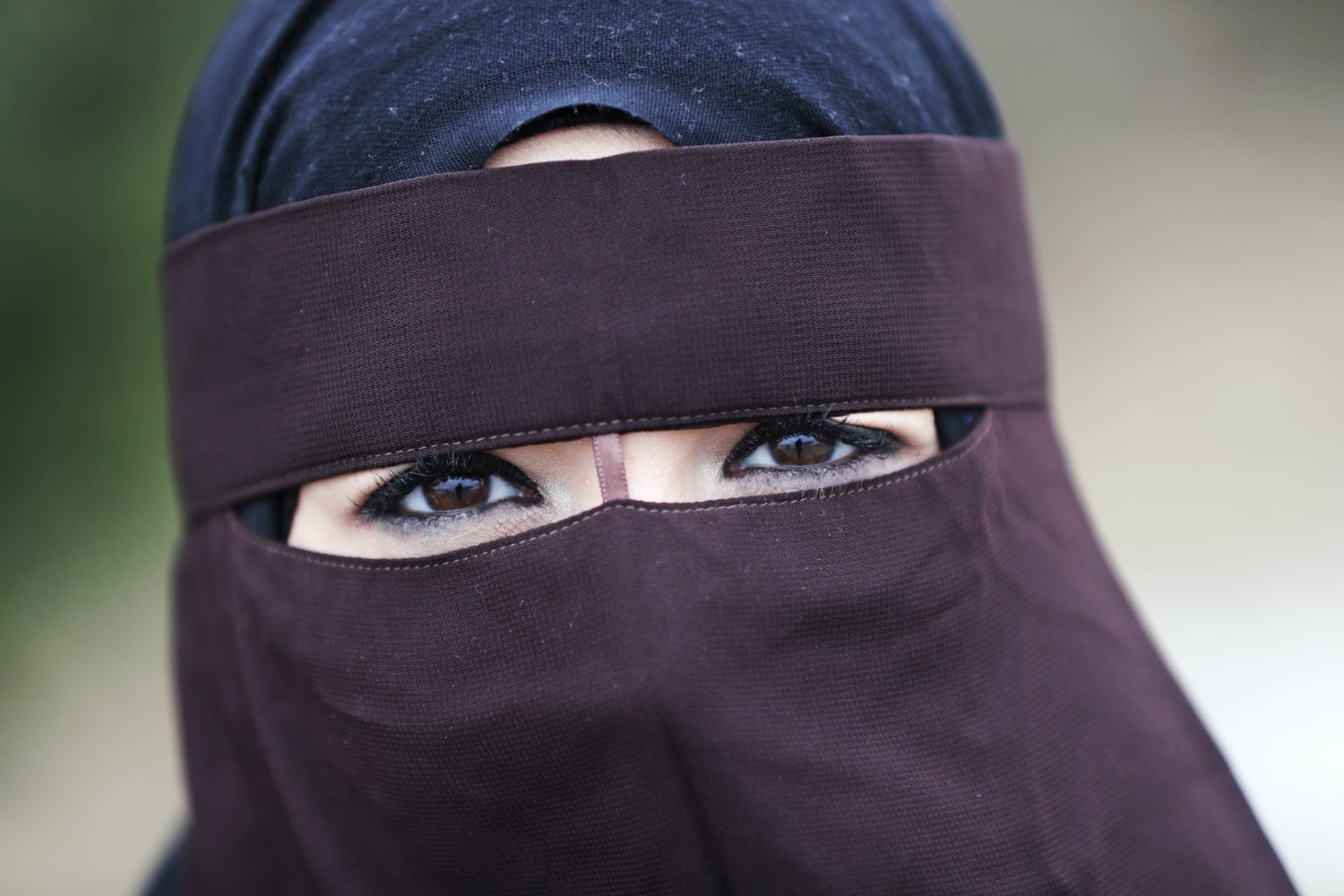
The question of whether the United Kingdom should ban the full-face Islamic veil, commonly referred to as the burka or niqab, is one of the most polarising issues in modern British society. It sits at the contentious intersection of security, social integration, and personal freedom. Unlike France or Belgium, the UK has no nationwide ban, but the debate simmers persistently in media headlines and political discourse. To understand this complex issue, it is essential to examine the arguments from both sides.
The Case for a Ban: Security, Integration, and Liberation
Proponents of a ban argue from principles of public safety, social cohesion, and a particular view of women’s rights.
- Public Security and Safety: The primary argument centres on security. In an age of heightened vigilance, the ability to identify individuals is crucial. A full-face veil presents a clear security risk in sensitive locations like airports, banks, or government buildings. It could, in theory, be used to conceal one’s identity for malicious purposes or to allow a criminal to evade recognition on CCTV, sadly now a cornerstone of British urban security. For many, the simple principle is that in a public space, faces should be visible.
- Social Cohesion and Communication: A fundamental aspect of British social interaction is non-verbal communication. Facial expressions—a smile, a frown, a look of confusion—are integral to building trust and understanding in daily life, from a classroom to a doctor’s surgery to a simple transaction in a shop. Critics argue that the burka creates a literal barrier to this interaction, hindering integration and fostering separation. The argument follows that a successful, multicultural society requires a common, open public realm where people can engage with one another fully.
- Women’s Liberation and Societal Pressure: Many who advocate for a ban do so from a perspective of protecting women’s rights. They contend that the burka is not a symbol of faith but of female subjugation, a garment imposed by patriarchal cultures rather than freely chosen. They argue that a ban would liberate women from this pressure, allowing them to participate fully and equally in society without being hidden from view. From this viewpoint, the state has a duty to step in and protect individuals from oppressive cultural practices, even if that means limiting certain expressions of religious belief.
The Case Against a Ban: Freedom, Autonomy, and Pragmatism
Opponents of a ban frame the issue around individual liberty, the right to religious expression, and the practical consequences of such legislation.
- Individual Liberty and Religious Freedom: At the heart of the argument against a ban is the principle of personal autonomy. In a liberal democracy, the state should have a very compelling reason to dictate what a citizen can and cannot wear. For many Muslim women, wearing the niqab is a profound and personal expression of their faith and modesty. A ban is seen as a direct assault on their religious freedom and a form of state overreach into private life. It fundamentally challenges the British value of “live and let live.”
- The Right to Choose and Female Agency: Countering the liberation argument, many women who wear the burka or niqab vehemently assert that it is their own free choice. They argue that denying them this choice is itself oppressive and patronising. To assume they are all coerced is to strip them of their agency and voice. True feminism, they contend, is about empowering women to make their own decisions—including the decision to dress modestly according to their beliefs.
- Pragmatic Concerns and Social Division: From a practical standpoint, opponents warn that a ban would be counterproductive. It would likely alienate and stigmatise the very Muslim community it claims to integrate, potentially driving a deeper wedge between them and the rest of society. Furthermore, it could lead to women who feel strongly about the niqab becoming prisoners in their own homes, unwilling to venture out if forced to uncover their faces. The enforcement of such a ban also raises troubling questions: would it fall to police officers to fine or arrest women on the street, creating confrontational and damaging scenes?
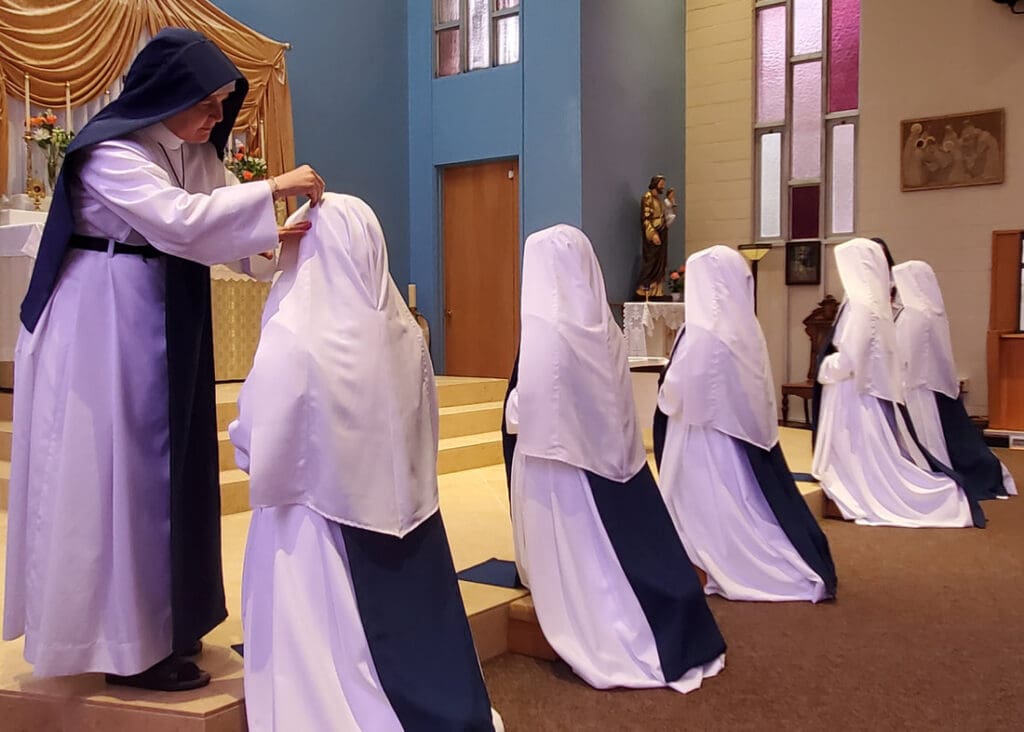
- If Muslim women are to be punished for their dress code, what about all the other faiths? Where would it end?
Finding a British Compromise?
The UK has so far taken a piecemeal approach. While there is no national ban, individual institutions like courts, schools, and certain workplaces can impose dress codes for specific reasons, such as ensuring effective communication or security during a trial.
This pragmatic, case-by-case method reflects a characteristically British attempt to balance competing rights. It acknowledges that there are specific contexts where seeing a face is necessary, without enacting a sweeping, culturally charged law that could be seen as targeting a minority.
The question of a burka ban forces a difficult conversation about the kind of society Britain wants to be. Is it one that prioritises a uniform vision of security and integration, even at the cost of personal freedom? Or is it one that champions individual liberty and religious tolerance, accepting the challenges to communication and security that may sometimes arise? There is no easy answer, and the veil, in its silence, continues to speak volumes about the tensions at the heart of modern Britain.
Whatever decisions we make, let us be sure that we are informed before we pass judgement.