For months, Britain’s corporate media gave extraordinary airtime to Nigel Farage and Reform UK with little of the rigorous scrutiny routinely directed at other political parties. Now, as serious questions begin to mount around Reform’s conduct, finances, internal culture and policy contradictions, many of the same broadcasters are suddenly claiming they “cannot find” Farage or senior Reform figures to question them.
The public has every right to ask, “Where was this urgency before the election?”
Viewers watched Reform representatives appear relentlessly across outlets such as BBC News and Sky News in the run-up to May’s local elections. Farage, Richard Tice, Zia Yusuf and a revolving cast of Reform spokespeople seemed permanently booked onto panel shows, debate programmes and rolling news coverage. Yet despite repeated appearances, meaningful interrogation was often absent.
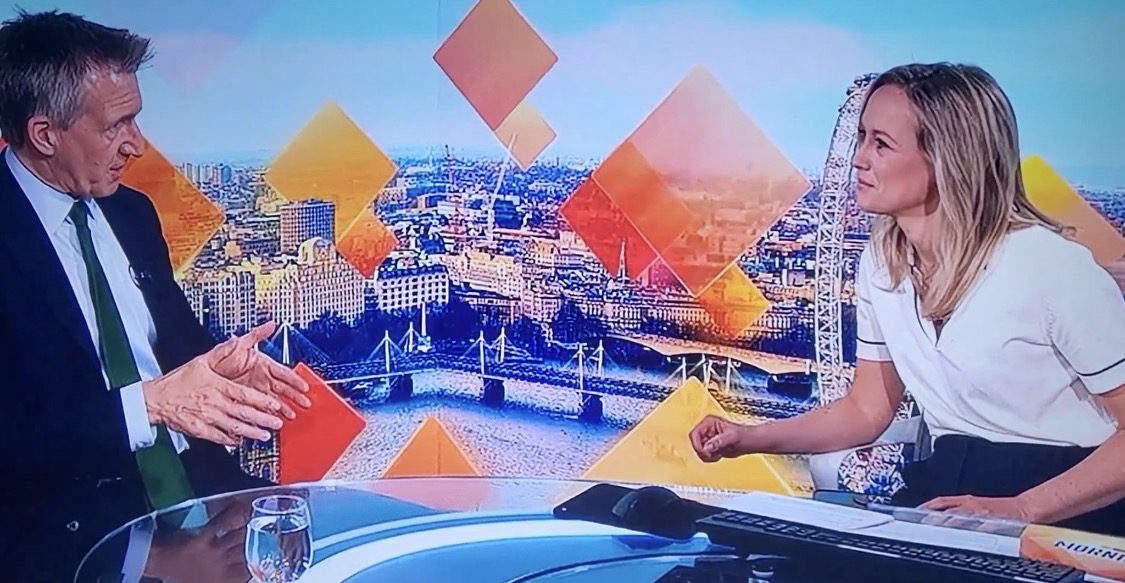
Listen to the journalist saying we cannot find him to scrutinise him, but you had Reform on BBC and Sky News nearly every day up until the May election and you never scrutinised them once. Now Reform are hiding because they know they cannot really get out of the scrutiny waiting… pic.twitter.com/xvtFn2fLue
— Chris (#Scandal still NO Justice PO GF WR) (@Chrisviews43) May 19, 2026
Questions many voters wanted answered — around funding, policy costings, inflammatory rhetoric, or Farage’s commitment to constituency responsibilities — were rarely pursued with any sustained seriousness. Critics point in particular to Farage’s repeated explanations for not holding Friday surgeries, something considered routine for most MPs serving constituents. Had journalists pressed harder at the time, perhaps they would not now be complaining about difficulties locating him.
The claim that Reform figures are somehow impossible to reach also stretches credibility. This was a party holding highly publicised conferences and media events with remarkable frequency only months ago. Political correspondents, including high-profile interviewers like Beth Rigby, were present at stunt launches, rallies and press events across the country. Cameras were always there when Reform wanted exposure. Serious accountability, however, was far less visible.
Now the media narrative appears to have shifted from amplification to helplessness. Journalists openly state that Reform leaders are avoiding interviews or refusing scrutiny, while simultaneously presenting themselves as powerless observers unable to challenge that strategy. To many viewers, that explanation rings hollow.
The frustration among sections of the public has been building for months. Audiences repeatedly questioned why Reform was receiving such disproportionate exposure without equivalent challenge. Nevertheless, broadcasters continued platforming the party heavily, often framing Farage as a prime minister-in-waiting while failing to rigorously test his claims and record.
Today, Reform’s reduced visibility raises another uncomfortable question for the media establishment: did relentless exposure help build a political phenomenon that was never properly examined in the first place?
As scrutiny finally begins to arrive, critics argue it may already be far too late.