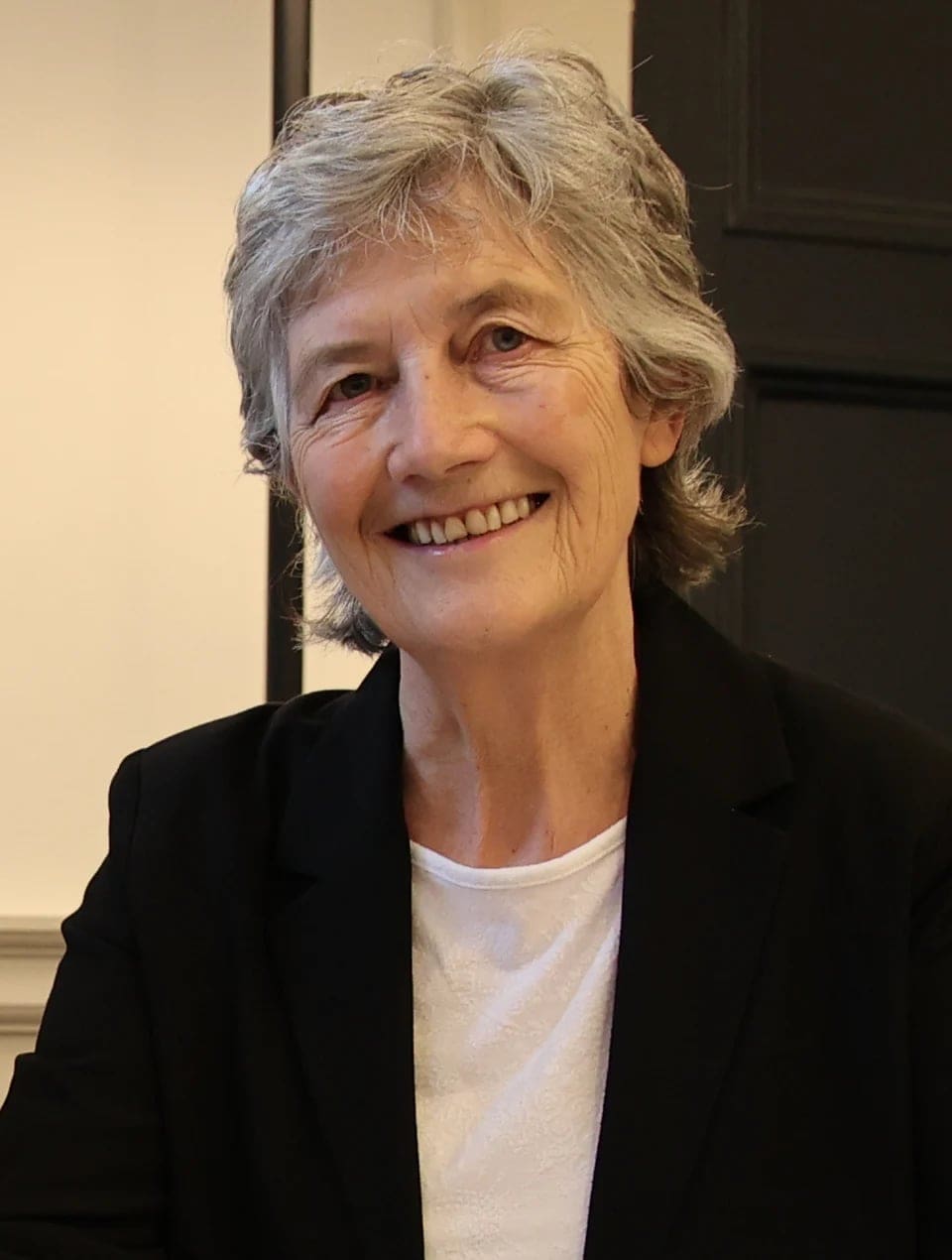
Ireland’s decision to elect Catherine Connolly, an outspoken left-wing independent, as its next president marks far more than a simple change at the Áras an Uachtaráin. It signals a decisive shift in the national mood, a collective veering to the left as the country searches for new solutions to its mounting social and economic challenges. Connolly’s landslide victory, with early tallies giving her roughly 64% of the vote, has been widely read as a rebuke to the political establishment that has dominated Ireland for decades. Her defeated rival, Fine Gael’s Heather Humphreys, conceded gracefully on Saturday, calling Connolly “a president for all of us”, yet her words underscored the scale of a political awakening that has upended the assumptions of centrist politics.
Behind Connolly’s success lies a nation frustrated by a deepening housing crisis, soaring living costs, and a pervasive sense of inequity. Despite Ireland’s impressive economic statistics, many citizens have felt excluded from the prosperity those figures are meant to represent. The gap between policy rhetoric and lived experience has widened, leaving voters disillusioned with both Fine Gael and Fianna Fáil, whose alternating leadership over the decades has failed to alleviate social hardship. Connolly, a former clinical psychologist and barrister long known for her independence of mind and her social conscience, spoke to that frustration with authenticity. Her campaign emphasised empathy, fairness, and public integrity — qualities that resonated across generations but particularly with younger voters seeking sincerity in politics.
What made her victory even more striking was the rare unity among Ireland’s fragmented left. Initially backed by smaller progressive parties such as the Social Democrats and People Before Profit, Connolly’s candidacy quickly attracted the endorsement of Labour and, crucially, Sinn Féin, which decided not to run its own contender. That coalition of forces, once unimaginable, channelled a widespread hunger for social justice and gave Connolly the grassroots energy and organisational reach to overcome her lack of establishment backing. Her message of equality, neutrality, and accountability struck a powerful chord in a country increasingly uneasy about its relationship with global power blocs. Her insistence on protecting Irish neutrality and her criticism of what she termed “Western militarism” appealed to those who saw in her an authentic defender of Irish independence in the moral as well as the political sense.
Connolly also understood, better than many of her opponents, how culture and communication shape modern politics. Her campaign used social media with deftness and humour, allowing her personality to shine through beyond the usual confines of political messaging. Viral videos, podcasts, and endorsements from musicians and artists such as Kneecap and the Mary Wallopers helped portray her as both rooted in the Irish vernacular and open to the world. She spoke Irish fluently, embraced cultural identity with ease, and presented herself as a figure of compassion rather than ideology. In an age when authenticity is often the rarest currency in politics, Connolly’s natural ease and humanity stood out.
While the presidency is largely ceremonial, her triumph carries immense symbolic weight. Ireland’s past presidents — Mary Robinson, Mary McAleese, and Michael D. Higgins — transformed the office into a moral compass for the nation, using its platform to shape public conversation and articulate national values. Connolly has promised to respect the limits of her role, yet few doubt she will continue that tradition of gentle but persistent influence. Even in Fine Gael strongholds such as south Dublin, she performed beyond expectations, revealing a discontent that cuts across class and geography. A record number of spoiled ballots and low turnout suggested not apathy but disillusionment with the available choices — a yearning for politics that feels participatory and principled rather than procedural.
Ireland’s leftward drift has not appeared overnight. It has been building through years of social and moral transformation. The marriage equality and abortion referendums of the 2010s signalled a confident liberalisation of Irish society, while anger over housing inequality, precarious work, and the growing gap between urban prosperity and rural strain have given that cultural liberalism an economic edge. Environmental campaigns, renters’ unions, and movements for neutrality and peace have converged around a broader sense of fairness and solidarity. Connolly’s victory is, in that sense, not a sudden break but a culmination — the moment when Ireland’s evolving social conscience found a political figure who could embody it.
As Catherine Connolly prepares to succeed Michael D. Higgins, she inherits not only his legacy of compassion and intellect but also a nation at a crossroads. She will need to balance her radical sympathies with the decorum the presidency demands, yet even her critics recognise that she has touched something profound in the Irish spirit: a desire for decency, empathy, and moral courage in public life. Ireland’s turn to the left is not merely ideological; it is emotional and generational, born of the conviction that the old certainties no longer serve. By electing Connolly, the people of Ireland have declared that they wish to chart a more just and humane path into the future. They have not only chosen a new president, but articulated a new direction for their country.