Another one bites the dust — this time in Durham.
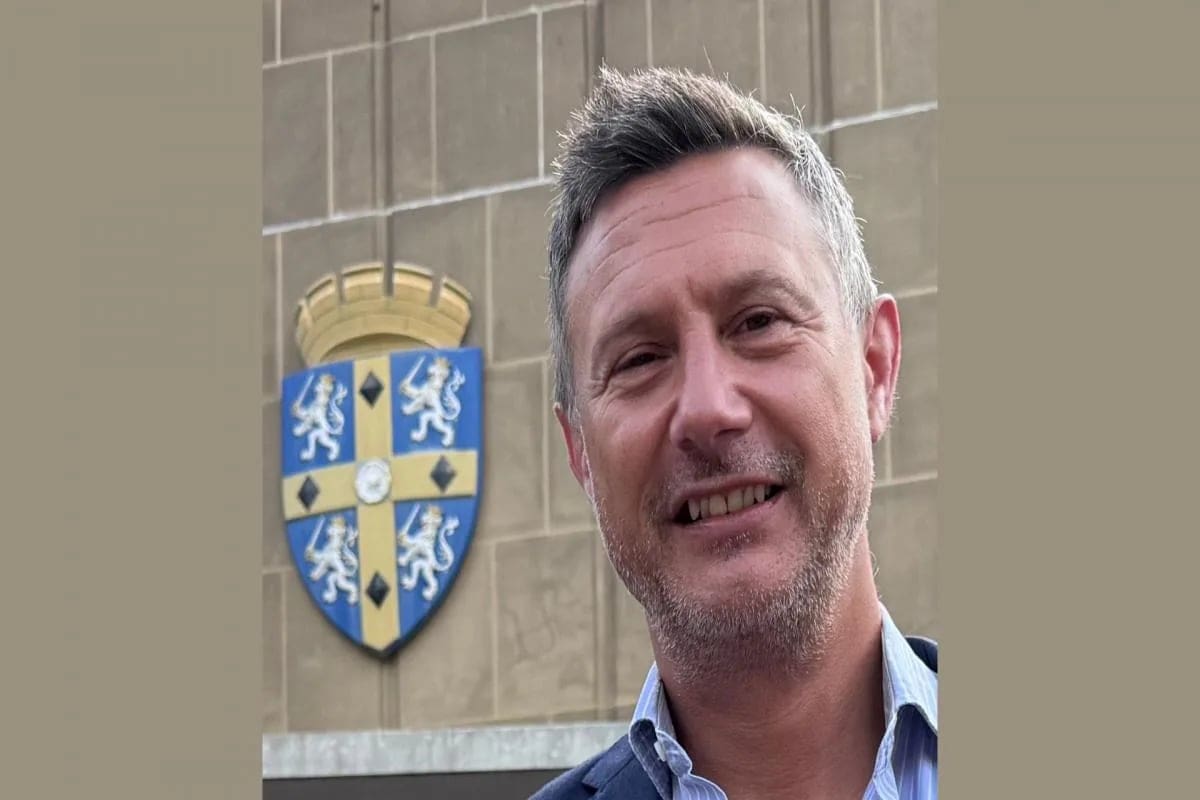
Reform UK’s claim to be the insurgent force that would “shake up” local government is unravelling in full public view at Durham County Council. Reform councillor Nick Brown has resigned the whip and will now sit as an Independent. And he did not go quietly.
In a blistering letter, Brown torched his own administration. He condemned the cancellation of the long-promised Toft Hill Bypass, despite millions having already been allocated and accused the leadership of failing to “slash council waste” or deliver any meaningful reform. So much for the slogans. So much for the promises.
The bypass betrayal
The Toft Hill Bypass wasn’t some fringe pet project. It was a commitment residents had been told was coming. Funding had been identified. Expectations were raised. Then it was cancelled.
For a party that built its brand on railing against “broken promises” and “establishment betrayal,” the decision reeks of exactly the kind of cynical politics they claim to despise. Reform UK rode into office promising decisive action and common sense. Instead, Durham gets drift and retreat.
A “culture of yes-men”
Brown’s most damning charge wasn’t about a road. It was about culture.
He describes a leadership environment where questioning decisions is treated as disloyalty, where scrutiny is met with hostility, and where loyalty to the party machine matters more than accountability to residents. Allegations of bullying. A formal complaint to Standards. A political atmosphere in which internal debate is replaced by silent compliance.
This is the party that claims to stand up to groupthink and challenge orthodoxy. Yet, according to one of their own councillors, dissent is stamped on and independent thought discouraged.
That’s not reform. That’s insecurity.
Social media over substance
Brown also filed a complaint against Deputy Leader Darren Grimes, accusing him of belittling colleagues and failing basic standards of leadership. His critique cuts deeper than personalities: he suggests elements of the leadership are more interested in building a social media profile and chasing a Westminster career than doing the unglamorous work of local governance.
It’s a familiar pattern. Flashy online videos. Culture-war soundbites. Endless outrage cycles. Meanwhile, the actual machinery of council leadership, budgets, infrastructure, staff morale, and service delivery grinds along unattended.
Running a council is not the same as running a Twitter feed.
The myth of “serious reform”
Reform UK sold itself as the grown-up alternative to what it calls a bloated, complacent political class. In Durham, the reality looks very different: cancelled projects, internal complaints, public resignations and a leadership accused by its own members of thin skin and vanity.
If this is how Reform behaves in a county council, what would “Reform in power” look like on a larger stage?
Durham residents were promised efficiency, discipline and backbone. What they appear to have received is factionalism, personality politics and a leadership more comfortable performing indignation than governing.
The lesson from Durham is simple: it’s easy to shout from the sidelines. It’s harder to lead. Reform UK wanted to prove it was ready for power.
In Durham, it’s proving the opposite.