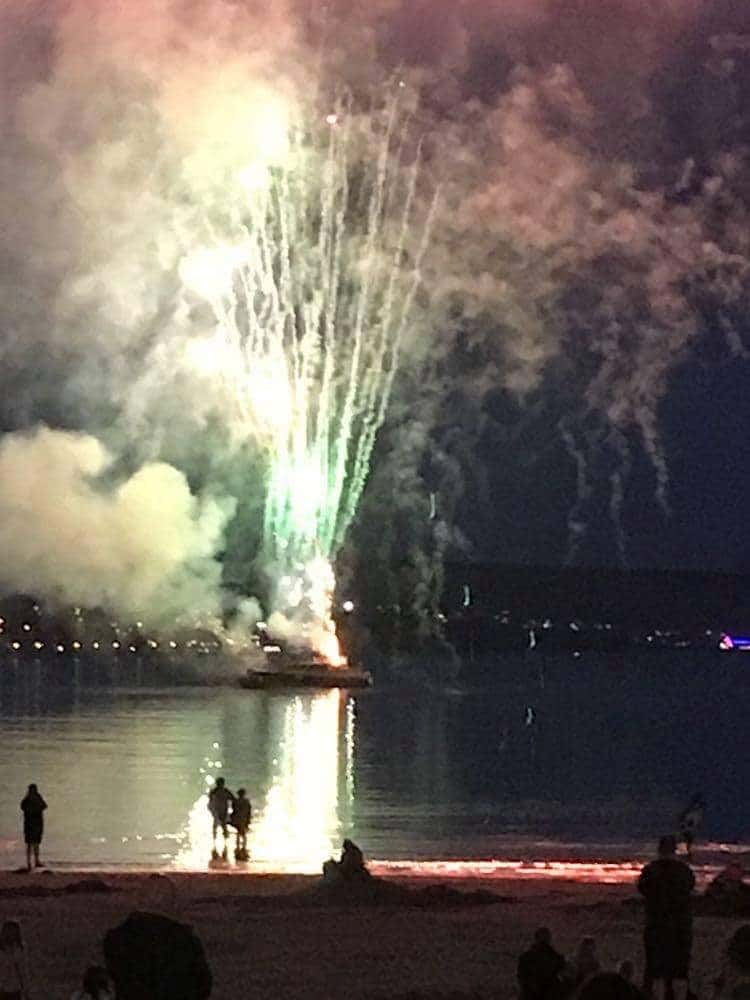
There are few things as quintessentially British as a bonfire night, huddled with a warm drink, watching the sky ignite with colour. For centuries, fireworks have been synonymous with celebration, from Guy Fawkes’ Night to New Year’s Eve. However, beneath the dazzling spectacle lies a less celebratory truth: fireworks have a significant and often overlooked impact on our environment and the animals we share it with.
A Choking Haze: The Environmental Impact
While the vibrant bursts of colour are fleeting, their environmental footprint is not. The very chemistry that creates those stunning reds, greens, and golds is the source of the problem.
- Air Pollution: Fireworks are packed with chemicals and metals. When launched, they release a cocktail of fine particulate matter (PM2.5), toxic metals like strontium, barium, and aluminium, and various greenhouse gases. This creates a thick, pungent smog that can linger for hours, particularly on still, cold nights like those common in November. For those with respiratory conditions like asthma, this pollution can trigger serious attacks and lead to worsened health.
- Water and Soil Contamination: What goes up must come down. The debris from spent fireworks – the cardboard casings, plastic components, and unburnt chemical compounds – falls back to earth. This fallout can contaminate our soil and waterways, introducing heavy metals and other pollutants into the ecosystem. These toxins can then enter the food chain, affecting wildlife and plant life.
- Lingering Litter: The morning after a display, parks and gardens are often littered with the charred remains of rockets and Catherine wheels. This plastic and paper debris not only blights our landscape but also poses a threat to wildlife, which can ingest it or become entangled.
A Night of Terror: The Effect on Pets and Wildlife
For many of us, the loud bang of a firework is part of the excitement. For the animal kingdom, it is a source of pure terror.
- Pets in Peril: Dogs and cats have hearing far more sensitive than our own. The sudden, unpredictable and intense noise of fireworks can cause extreme anxiety, panic, and sheer terror. It’s not uncommon for pets to go off their food, tremble uncontrollably, hide, or desperately try to escape. The RSPCA and other animal charities report a dramatic spike in lost pets during firework season, as frightened animals bolt from gardens or even break through windows in their panic. The stress can also have serious, long-term effects on an animal’s health.
- The Plight of Wildlife: The impact on British wildlife is equally devastating. The explosions can cause birds to scatter in panic, often abandoning their nests and roosts. For hedgehogs, which may be preparing for hibernation, the disturbance can be deeply disruptive. The loud noises can disorient and scare larger mammals like foxes and badgers, while the fallout from fireworks can be mistaken for food by smaller creatures.
The RSPCA offers plenty of pet fireworks advice for animal owners looking to plan ahead to help their pets cope during the loud bangs.
What Can Be Done?
Awareness is growing, and with it, a push for change. Many are now calling for a shift towards more responsible celebrations.
- Quieter, ‘Green’ Fireworks: Some manufacturers are developing low-noise fireworks and alternatives that use cleaner, nitrogen-based fuels to reduce smoke and toxic compounds. While not a perfect solution, they are a step in the right direction.
- Attended Public Displays: Choosing to attend one large, organised public display, rather than setting off numerous private ones, concentrates the pollution and noise into a single, shorter event. This allows pet owners and wildlife to prepare for a known period of disruption.
- Silent Fireworks and Light Shows: A fantastic alternative is the move towards drone light shows. Hundreds of drones, equipped with LEDs, can create breathtaking, silent formations in the sky, offering all the visual wonder with none of the noise or air pollution.
- Tighter Regulations: There is increasing public pressure for stricter laws on the public sale of fireworks, limiting them to licensed organisers and specific, advertised dates.
The tradition of lighting up the night sky is a cherished one, but as our understanding of its wider cost evolves, so too should our celebrations. By opting for quieter, cleaner alternatives and showing greater consideration for the creatures around us, we can ensure our festivities are a joy for all – not a source of fear and pollution. It’s time to look beyond the bang and embrace a brighter, kinder way to celebrate.