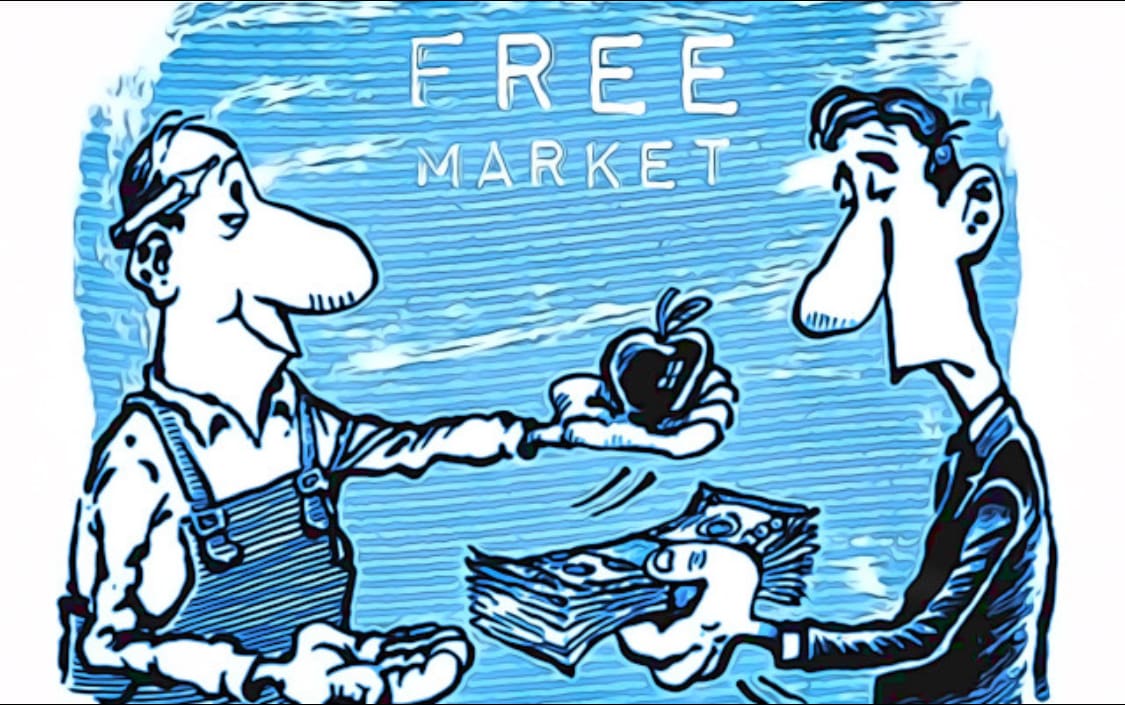
As the far-right and nationalist voices grow louder, fixating on culture wars, flag-waving, and complaints about diversity, a more insidious force is quietly ripping off their supporters—and everyone else. Under the cover of political noise, corporate capitalism is systematically reducing the size and quality of everyday products while keeping prices high, a practice known as “shrinkflation.”
A recent investigation by the consumer group Which? has laid bare this quiet betrayal. Staple products from KitKats and Gaviscon to toothpaste and Freddo bars have all fallen victim, shrinking in size or being downgraded with cheaper ingredients while the cost to the consumer stays the same or rises.
Notable examples of shrinkflation include:
- Aquafresh Complete Care Original toothpaste: Now £2 for 75ml at Tesco, Sainsbury’s and Ocado, having previously been £1.30 for 100ml.
- Gaviscon heartburn and indigestion liquid: The price remains £14 at Sainsbury’s, but the size has been reduced from 600ml to 500ml.
- Sainsbury’s Scottish Oats: The price has jumped from £1.25 for 1kg to £2.10 for just 500g.
- KitKat two-finger multipacks: At Ocado, the price has increased from £3.60 for 21 bars to £5.50 for 18 bars.
- Quality Street tubs: Now £7 for 550g at Morrisons, up from £6 for 600g.
- Freddo multipacks: The price is still £1.40, but the pack now contains four bars instead of five at Morrisons, Ocado, and Tesco.
Which? also found that products are being legally downgraded. White KitKat bars now contain so little cocoa butter they can no longer be sold as “white chocolate,” following similar changes to Penguin and Club biscuits.
A Distraction from the Real Exploitation
While public attention is directed towards divisive issues like diversity, the machinery of corporate profit carries on unimpeded. The manufacturers’ excuses are telling. Mondelez International (owner of Cadbury) and Nestlé point to “significantly higher input costs” and supply chain pressures. The Food and Drink Federation even cites government policies like National Insurance rises.
Yet, this coincides with reports of robust profits in some of these same sectors. The burden of global inflation and new taxes is not being absorbed; it is being passed directly to the consumer, with an extra margin often added for good measure through shrinkflation.
The Real Patriotism is Defending the Pound in Your Pocket
This is the core of the modern capitalist squeeze: a narrative of national pride is sold to the public while their purchasing power is systematically eroded. The real attack on the “British way of life” isn’t coming from multiculturalism; it’s coming from a system that reduces the size of a Quality Street tub from 600g to 550g and has the audacity to charge £1 more for it at Morrisons.
Which?’s retail editor, Reena Sewraz, has called for supermarkets to be “more upfront,” but the problem is structural. As latest figures from the British Retail Consortium show fresh food prices up 4.3% on last year, the call from BRC chief Helen Dickinson for the Chancellor to avoid further taxes is a plea to ease the very pressures companies blame for these practices.
The conclusion is inescapable. While some are busy shouting about flags, capitalism is picking their pockets. The true patriotism for any household “already under immense financial pressure,” as Which? notes, is to see this shrinkflation for what it is: a quiet, calculated transfer of wealth from the many to the few, happening right under our noses.