

The Hard Truth About Beef: Why Farmers and Consumers Need a New Blueprint
If you eat beef, and ever stop to wonder where and how it’s produced, Jonathan Chapman’s farm in the Chiltern Hills west of London is what you might imagine. A small native herd, eating only the pasture beneath their hooves in a meadow fringed by beech trees… a bucolic scene that speaks to a deep-seated pastoral ideal.
But this picture-perfect image belies a harsh reality. For both the animals involved and the people who farm and eat them, the conventional beef model is at a breaking point. It’s a system plagued by welfare concerns, health questions, and an economic model that is increasingly precarious for farmers. Moving away from beef-centric practices is no longer just an ethical or environmental choice; it is becoming a matter of economic sense and personal health.
The Illusion of Profitability: A Farmer’s Dilemma
On the surface, beef prices are soaring. Farmgate prices have nearly doubled since 2015, making a pack of mince a significant household expense. However, this isn’t a bonanza for farmers like Mr. Chapman; it’s a symptom of a system in structural decline.
As he explains, the main challenge has shifted from prices being too low to costs being too high. “The rise in employers’ national insurance and the minimum wage have increased labour costs, and energy prices remain above the long-term average,” he notes. A historically dry summer has further forced up feed costs, crippling profitability.
The core issue is one of long-term risk. As the National Beef Association’s Neil Shand highlights, political uncertainties like the upcoming removal of agricultural inheritance tax exemptions have “made everyone terrified to invest.” Farmers are spending capital on life insurance rather than expanding their herds.
Furthermore, the supply chain is inherently slow and unforgiving. A calf takes nearly three years to reach maturity. As Mr. Chapman has done by reducing his herd from 110 to 90, culling in response to short-term pressures creates a supply lag that will keep consumer prices high for years, benefiting no one in the long run. The promise of high prices is not enough to tempt investment in a broken system.
The Hidden Cost: Animal Welfare in a Industrial System
While Mr. Chapman’s Ruby Red Devons enjoy a “contented if short existence,” this is the exception, not the rule. The reality for most of the cattle that enter the UK food supply is starkly different.
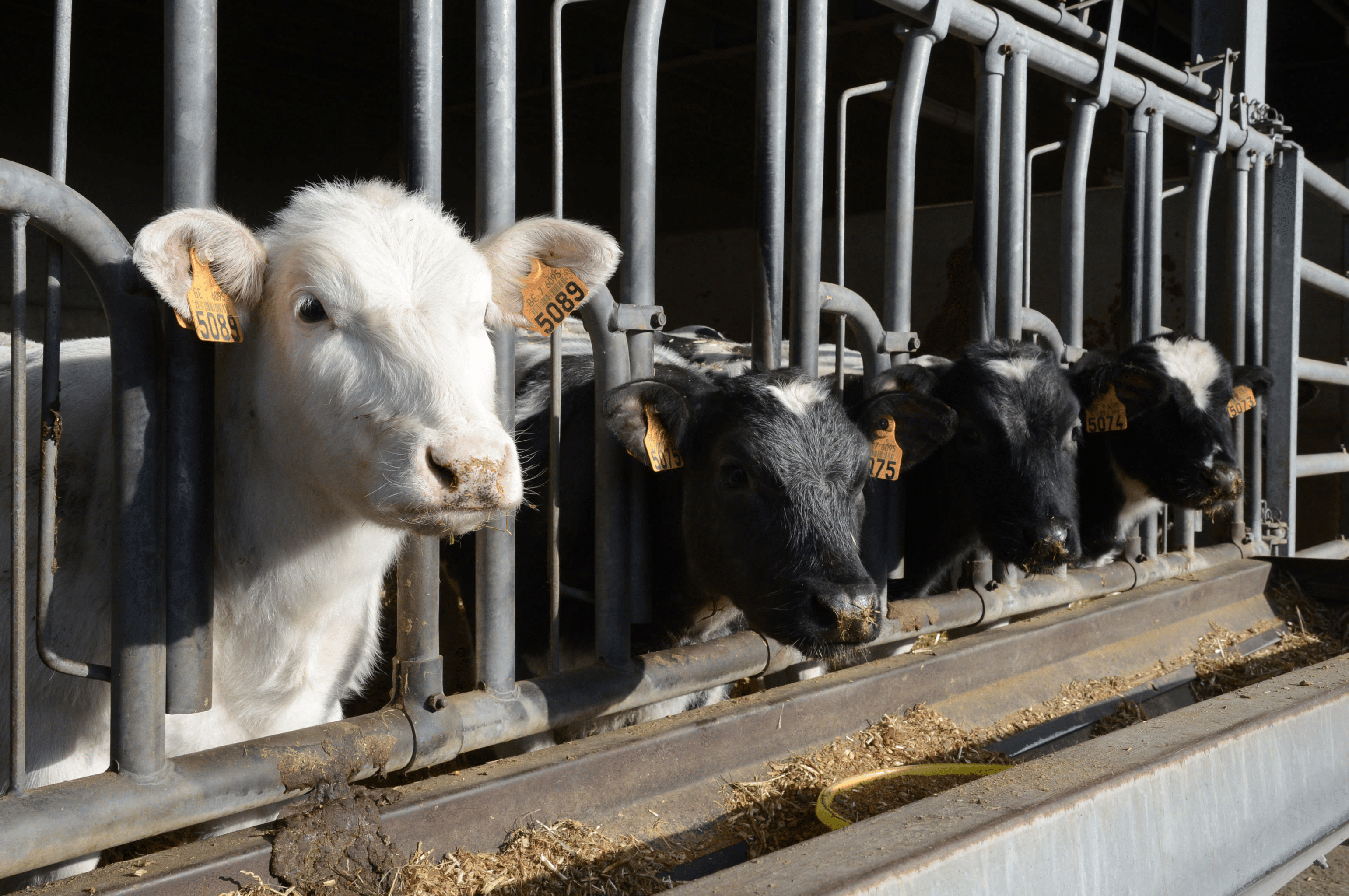
Over 50% of the beef supply comes from the dairy herd—a system where male calves, deemed unprofitable for milk, are often shot at birth or raised for low-value veal. Dairy-bred animals, often smaller and less hardy than native beef breeds, may face multiple moves between farms, long journeys to slaughter, and intensive finishing on grain-based diets to which they are not naturally suited, leading to health issues.
Even in beef herds, the economic squeeze pressures farmers to maximise output, often at the expense of welfare. The push for faster growth and higher yields can conflict with the natural behaviours and health of the animal, creating a life that is far from the idyllic image we cherish.
A Question of Health: What’s on Your Plate?
For consumers, the concerns continue from the field to the fork. Numerous studies have linked high consumption of red and processed meats to increased risks of heart disease, certain cancers, and type 2 diabetes. The World Health Organisation has classified processed meat as a Group 1 carcinogen, in the same category as smoking and asbestos, and red meat as a Group 2A carcinogen, meaning it is probably carcinogenic to humans.
While beef can be a source of essential nutrients like iron and B12, the modern, often grain-finished product tends to be higher in saturated fats than its pasture-fed counterpart. In an era of soaring food prices, relying on an expensive protein with documented health risks is a double burden the British public is increasingly unwilling to bear.
A New Blueprint: Profitable and Palatable Alternatives
This is not an argument against farming, but for a smarter, more resilient future. The solution lies in diversification.
For the Farmer:
- Agroecology and Diversified Livestock: Shift towards smaller, more sustainable systems. Integrating poultry like chickens or turkeys, which have a faster turnover and lower overheads, can provide a steadier income. Sheep, particularly native breeds suited to local landscapes, can be a less resource-intensive red meat option.
- On-Farm Butchery and Direct Sales: Mr. Chapman’s model is the key. “Processing a carcass doubles the revenue,” he says. By adding value on-site through a butchery and farm shop, farmers can capture the full retail price, build a loyal local customer base, and insulate themselves from volatile commodity markets.
- The Protein Crop Revolution: The UK imports vast amounts of animal feed, but farmers can lead the change by growing protein for human consumption. Field beans, lentils, and quinoa are viable crops in the British climate. This taps directly into the growing consumer demand for plant-based proteins, creating a new, sustainable revenue stream.
For the Consumer:
- Embrace ‘Less but Better’: If you choose to eat red meat, follow the lead of chefs and nutritionists: eat less, but make it count. Choose 100% pasture-fed, high-welfare beef from local farms you trust. This supports farmers who are doing the right thing and ensures higher nutritional quality.
- Discover the Power of Plants: Make plants the star of your plate. Lentils, chickpeas, and British-grown beans are incredibly affordable, versatile, and packed with protein and fibre. A classic Spaghetti Bolognese made with Puy lentils is just as hearty and satisfying as its meat-based counterpart.
- Explore Alternative Proteins: The UK is a world leader in innovative proteins. From mycoprotein (the base of Quorn) to fermented fava beans, these products offer the familiar textures and flavours of meat with a fraction of the environmental and health footprint.
The Bottom Line
The story of British beef is no longer one of bucolic tradition. It is a story of “spiralling inflation and structural decline.” The system is failing farmers, failing animals, and failing our health. By supporting farmers who diversify and by embracing a more varied diet ourselves, we can cultivate a food system that is more profitable, more ethical, and healthier for everyone. The future of British farming and eating doesn’t lie in clinging to a struggling past, but in boldly investing in a resilient, diversified future.







