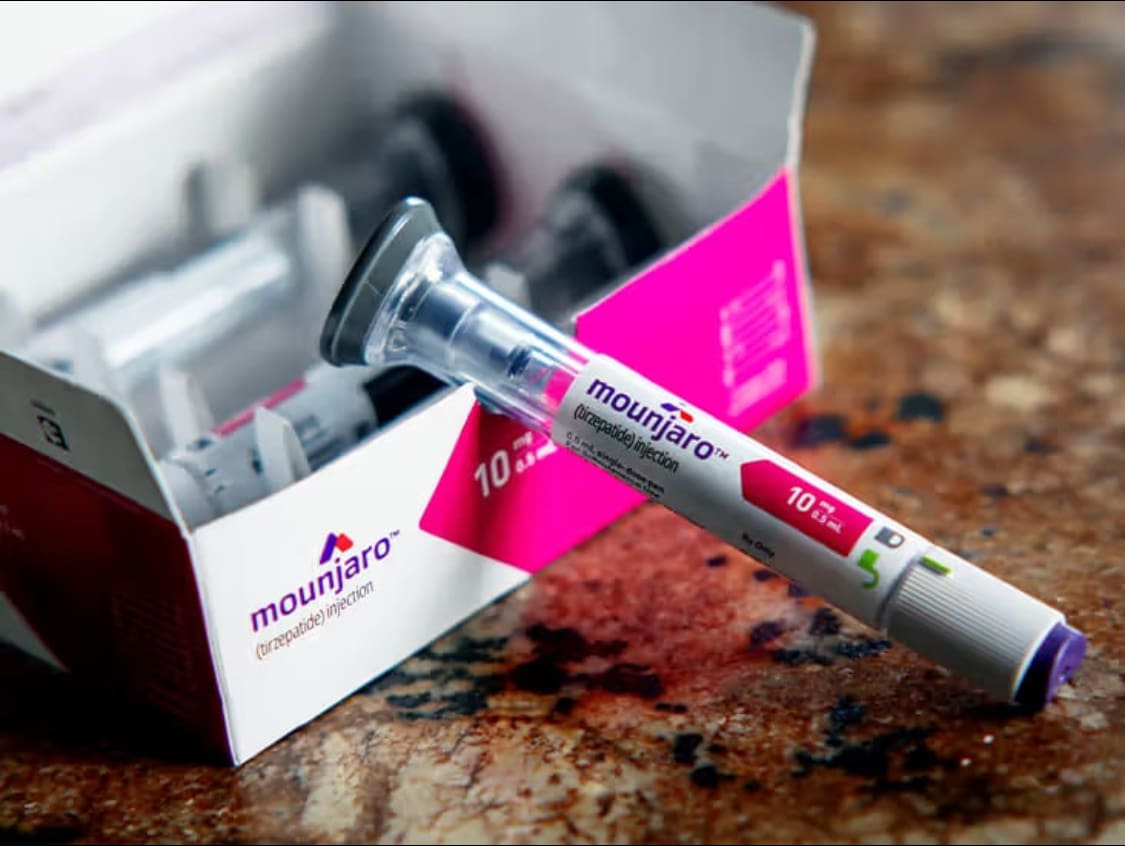
Tirzepatide (Mounjaro/Zepbound): A Comprehensive Analysis of Benefits, Risks, and Long-Term Consequences
In recent years, the promise of dramatic weight loss has driven tens of thousands of people to obtain medications like tirzepatide (Mounjaro or Zepbound) without proper medical oversight. Social media is awash with stories of transformation, yet behind many of these accounts lies a quieter, more concerning reality. When used without professional guidance, these powerful drugs can do more than melt away fat — they can erode muscle, compromise nutrition, and silently damage long-term health. For anyone considering or currently using these treatments outside a clinical setting, understanding their true effects is not merely advisable; it may be life-changing. What follows is an essential exploration of how tirzepatide works, what it offers, and what it can take away if used carelessly.
Tirzepatide, marketed as Mounjaro for type 2 diabetes and Zepbound for chronic weight management, represents a new generation of injectable therapies targeting metabolic regulation. First approved in 2022, it acts on two incretin pathways simultaneously and produces some of the greatest weight reductions yet seen in pharmacological treatment. However, as real-world use has expanded, new issues—particularly muscle loss and potential nutritional compromise—have become apparent.
Mechanism of Action
Tirzepatide is a dual incretin receptor agonist that activates both GLP-1 (glucagon-like peptide-1) and GIP (glucose-dependent insulinotropic polypeptide) receptors (Frias et al., 2021). GLP-1 analogues stimulate insulin secretion, suppress appetite and delay gastric emptying, while GIP receptor activation enhances insulin response and may improve lipid metabolism. The combined action results in profound appetite suppression, slower digestion and increased insulin sensitivity—factors that together produce marked weight reduction and improved glycaemic control.
Clinical Trial Evidence
Efficacy in Weight Management
The pivotal SURMOUNT-1 trial (Jastreboff et al., 2022) studied adults with obesity but without diabetes. After 72 weeks, mean body-weight reductions were approximately 15% with 5 mg, 19.5% with 10 mg and 20.9% with 15 mg tirzepatide, compared with 3.1% for placebo. In people with both obesity and type 2 diabetes, SURMOUNT-2 showed mean losses of 12.8–14.7% (Frías et al., 2023). These results substantially exceed those typically seen with earlier GLP-1 receptor agonists such as semaglutide.
Maintenance of Weight Loss
The SURMOUNT-4 withdrawal study (Rubino et al., 2023) demonstrated that participants who discontinued tirzepatide regained much of their lost weight within a year, whereas those who continued treatment maintained reductions. This finding indicates that ongoing therapy is often necessary to preserve benefits.
Prevention of Diabetes
Long-term data from the SURMOUNT extension trials (Jastreboff et al., 2024) revealed up to a 90–94% reduction in progression from pre-diabetes to type 2 diabetes during approximately three years of follow-up. Such findings suggest strong metabolic protective effects extending beyond weight loss alone.
Safety and Adverse Effects
The most common adverse events are gastrointestinal—nausea, vomiting, diarrhoea, constipation and abdominal discomfort—which are dose-related and usually occur during dose escalation (FDA, 2023). More serious but less frequent risks include acute pancreatitis (Fitch et al., 2023) and gallbladder disease, both of which are linked to rapid weight loss and altered bile composition.
Animal studies identified C-cell thyroid tumours in rodents exposed to tirzepatide (Eli Lilly, 2023). Although this has not been confirmed in humans, the medication is contraindicated in individuals with a personal or family history of medullary thyroid carcinoma or multiple endocrine neoplasia type 2. When used with insulin or sulphonylureas, there is also an increased risk of hypoglycaemia.
Emerging Concern: Muscle and Lean-Mass Loss
An emerging body of evidence indicates that a notable proportion of weight loss from tirzepatide consists of lean tissue, including skeletal muscle. Sub-studies using dual-energy X-ray absorptiometry (DXA) and MRI suggest that approximately 25–40% of total weight reduction may derive from lean mass (Jastreboff et al., 2022; Gastaldelli et al., 2022). While loss of some lean tissue is expected with major weight loss, this proportion is high enough to raise concerns about long-term musculoskeletal and metabolic consequences.
Mechanisms
This muscle loss likely arises from:
- Profound appetite suppression leading to insufficient protein intake;
- Rapid calorie restriction, producing negative nitrogen balance;
- Sedentary lifestyle without compensatory resistance exercise;
- Greater susceptibility in older adults or those already experiencing sarcopenia.
Consequences
Loss of lean tissue can lower resting metabolic rate, making weight regain more likely once treatment stops (Stenholm et al., 2023). It also diminishes muscle strength and functional capacity, increasing frailty and fall risk. Furthermore, skeletal muscle contributes to insulin sensitivity; excessive muscle loss may therefore partially counteract tirzepatide’s long-term metabolic benefits. Reduced mechanical loading on bone can also exacerbate loss of bone density.
Clinical Strategies to Preserve Muscle
Healthcare professionals increasingly advocate a “weight quality” rather than “weight quantity” approach to pharmacological obesity treatment. Recommended strategies include:
- Adequate protein intake (typically 1.2–1.6 g/kg body weight per day) to maintain nitrogen balance and muscle protein synthesis (Phillips & Chevalier, 2022).
- Resistance or strength training at least twice weekly to stimulate muscle retention.
- Gradual dose escalation to minimise nausea and maintain nutrient intake.
- Dietetic supervision to ensure appropriate calorie and micronutrient consumption.
- Periodic body-composition assessment (via DXA or bioimpedance) to monitor fat-to-muscle ratio.
Ongoing trials are exploring whether combining tirzepatide with structured exercise programmes or anabolic-support strategies can mitigate lean-mass loss.
Cardiometabolic and Systemic Effects
Beyond weight reduction, tirzepatide improves multiple metabolic markers. The SURPASS trials in diabetes demonstrated substantial reductions in HbA1c, systolic blood pressure and liver fat, alongside improved lipid profiles (Frías et al., 2021). Early cardiovascular-outcome data suggest tirzepatide performs similarly to dulaglutide on major adverse cardiac events (Gerstein et al., 2024), though definitive long-term results are still awaited.
Renal outcomes also appear favourable, with reduced albuminuria and slower eGFR decline in some studies (Heerspink et al., 2023). These findings suggest potential protective effects on target organs, though further independent research is necessary.
Social and Regulatory Context
Tirzepatide’s popularity has led to shortages and the emergence of unregulated compounded products sold online. Both the FDA and the UK’s Medicines and Healthcare products Regulatory Agency (MHRA) have issued warnings about counterfeit or unlicensed versions that may contain incorrect doses or contaminants (MHRA, 2024). Medical supervision is essential to ensure safety and appropriate monitoring.
Long-Term Outlook
The long-term outlook for tirzepatide is one of great promise accompanied by legitimate caution. The drug produces durable metabolic improvements and, if used appropriately, can dramatically reduce the burden of obesity-related disease. However, discontinuation usually leads to weight regain, underscoring that it functions best as part of a sustained therapeutic programme rather than a temporary fix.
Muscle loss represents a significant and potentially preventable downside. Clinicians and patients must focus not only on the magnitude of weight reduction but on preserving functional mass, strength and nutrition. Future guidelines are expected to incorporate explicit recommendations on protein intake, exercise and body-composition monitoring for individuals on GLP-1/GIP therapies.
Conclusion
Tirzepatide marks a step change in the pharmacological management of obesity and metabolic disease. Its ability to induce 15–20% reductions in body weight rivals bariatric surgery and offers profound benefits for glycaemic and cardiovascular risk. Yet this success carries physiological trade-offs: the risk of lean-mass loss, nutritional insufficiency and potential long-term frailty if the drug is used without adequate medical guidance.
The responsible use of tirzepatide—integrating nutritional support, strength training and ongoing monitoring—can maximise benefits while minimising harms. In the coming years, the key question will not be whether tirzepatide works, but how to help patients lose the right kind of weight.
References
Eli Lilly. (2023). Mounjaro (tirzepatide) Summary of Product Characteristics. Indianapolis: Eli Lilly and Company.
FDA. (2023). Mounjaro Prescribing Information. U.S. Food and Drug Administration.
Frías, J. P., Davies, M. J., Rosenstock, J. et al. (2021). Tirzepatide versus semaglutide once weekly in patients with type 2 diabetes. New England Journal of Medicine, 385, 503–515.
Frías, J. P., et al. (2023). Tirzepatide for the treatment of obesity in adults with type 2 diabetes (SURMOUNT-2). Lancet, 402, 2033–2045.
Gastaldelli, A., et al. (2022). Effects of tirzepatide on body composition and ectopic fat depots in people with type 2 diabetes (SURPASS-3 MRI substudy). Lancet Diabetes & Endocrinology, 10, 393–406.
Gerstein, H. C., et al. (2024). Cardiovascular outcomes with tirzepatide in type 2 diabetes: results from SURPASS-CVOT. New England Journal of Medicine, 390, 1121–1133.
Heerspink, H. J. L., et al. (2023). Kidney outcomes with tirzepatide in type 2 diabetes. Diabetes Care, 46, 1928–1936.
Jastreboff, A. M., et al. (2022). Tirzepatide once weekly for the treatment of obesity (SURMOUNT-1). New England Journal of Medicine, 387, 205–216.
Jastreboff, A. M., et al. (2024). Long-term efficacy and diabetes prevention with tirzepatide: three-year results from the SURMOUNT extension. Obesity (Silver Spring), 32, 761–773.
MHRA. (2024). Safety warning: counterfeit tirzepatide and semaglutide products in circulation. Medicines and Healthcare products Regulatory Agency, London.
Phillips, S. M., & Chevalier, S. (2022). Protein requirements for weight loss and maintenance. Applied Physiology, Nutrition, and Metabolism, 47, 409–418.
Rubino, D. M., et al. (2023). Effect of continued versus withdrawn tirzepatide on maintenance of weight reduction (SURMOUNT-4). Lancet, 402, 246–256.
Stenholm, S., et al. (2023). Muscle mass, metabolic rate, and long-term weight regulation. Journal of Cachexia, Sarcopenia and Muscle, 14, 1342–1354.