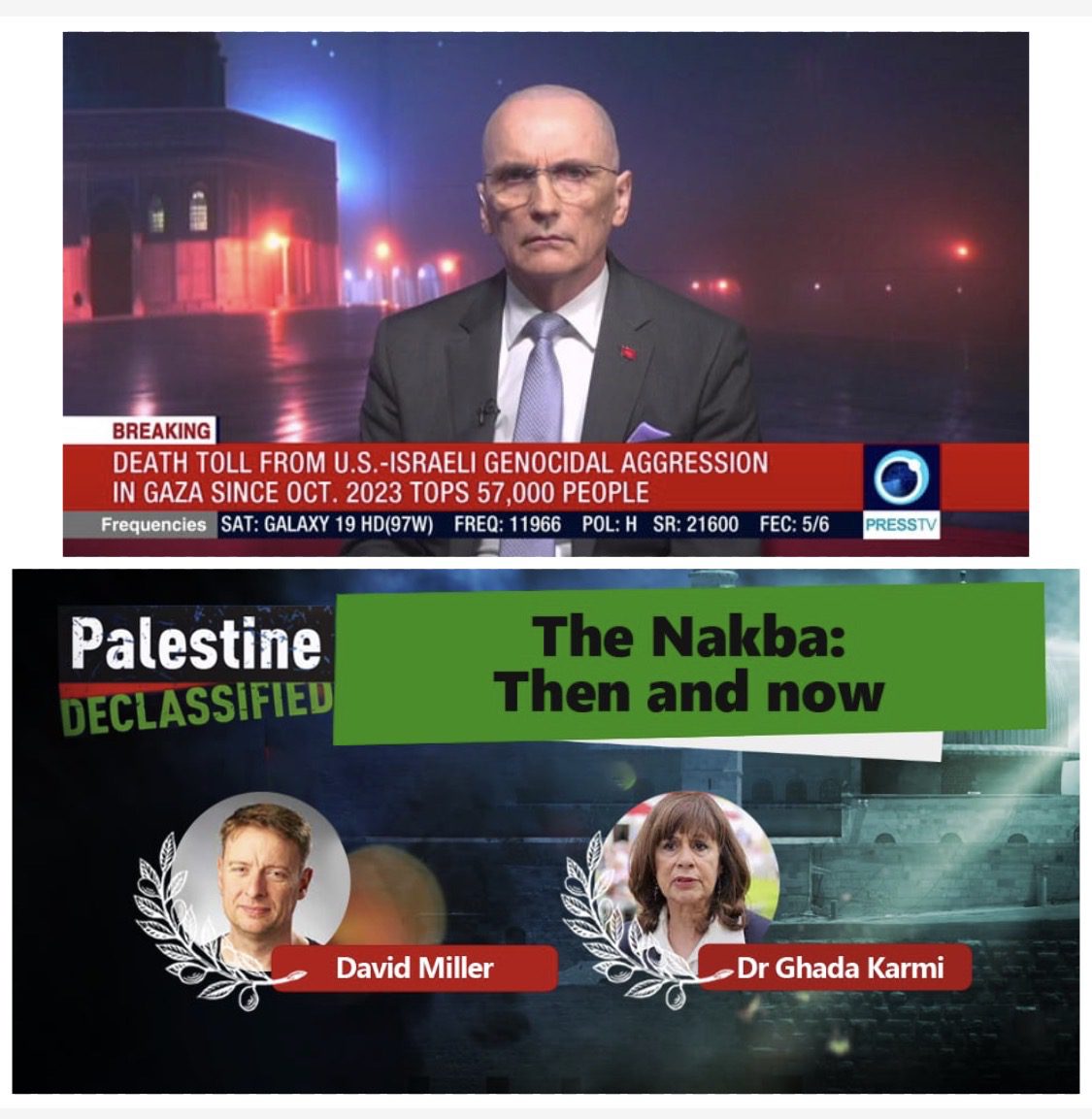
A major row has erupted over claims that the British government is seeking to shut down Palestine Declassified, a weekly programme focused on the struggle for Palestinian liberation and the wider political forces shaping events in the region.
According to the programme’s presenter, ex-Labour Shadow Cabinet member Chris Williamson, who has fronted the show alongside the investigative platform Tracking Power for the past four years, the production is now facing what has been described as an unprecedented campaign of pressure and intimidation. The show, broadcast weekly since 2022 from the same studio, is said to have come under scrutiny following intervention from the Home Office.
At the centre of the controversy is an unsigned letter reportedly sent to the studio by the Home Office. The letter is said to warn of possible legal action under the National Security Act over alleged concerns relating to “foreign influence”. Those behind Palestine Declassified have strongly rejected the implications of the letter, describing it as highly unusual and deeply concerning.
The matter has been further inflamed by a recent article in The Telegraph, which allegedly claimed that the studio was linked to Press TV and even suggested it functioned as a hub for espionage recruitment. The producers of the programme have firmly denied these allegations, insisting that the studio has no ties whatsoever to Press TV or the Iranian state.
They maintain that Palestine Declassified is independently produced and editorially separate from any foreign government or media organisation. Supporters of the show argue that the accusations are baseless and amount to an attempt to discredit journalism that challenges dominant narratives surrounding Palestine and Israel.
In a strongly worded response, those behind the programme described the developments as “state intimidation” and accused the government of using bureaucratic pressure to suppress critical reporting. They claim the action reflects growing unease within official circles over the issues being raised by the programme’s investigations and commentary.
The dispute has also taken on a wider political dimension, with supporters alleging that the government’s actions are being carried out in response to pressure from pro-Israel interests. Such claims are likely to intensify debate around freedom of expression, media independence, and the extent to which controversial political programming can operate without interference.
Despite the mounting pressure, the programme’s producers insist the show will continue. However, they have confirmed that the ongoing situation has forced them to seek a new studio and reconsider the format of the programme going forward.
This move, they say, will inevitably bring additional production costs and logistical challenges. As a result, an appeal for public support is expected to be launched in the near future to help ensure that Palestine Declassified can continue its weekly broadcasts.
The case is likely to raise serious questions about the balance between national security legislation and press freedom in Britain, particularly when reporting on one of the world’s most contentious and emotionally charged conflicts.
For now, the programme’s team remains defiant, promising viewers that their reporting will continue despite what they describe as an escalating campaign of harassment.