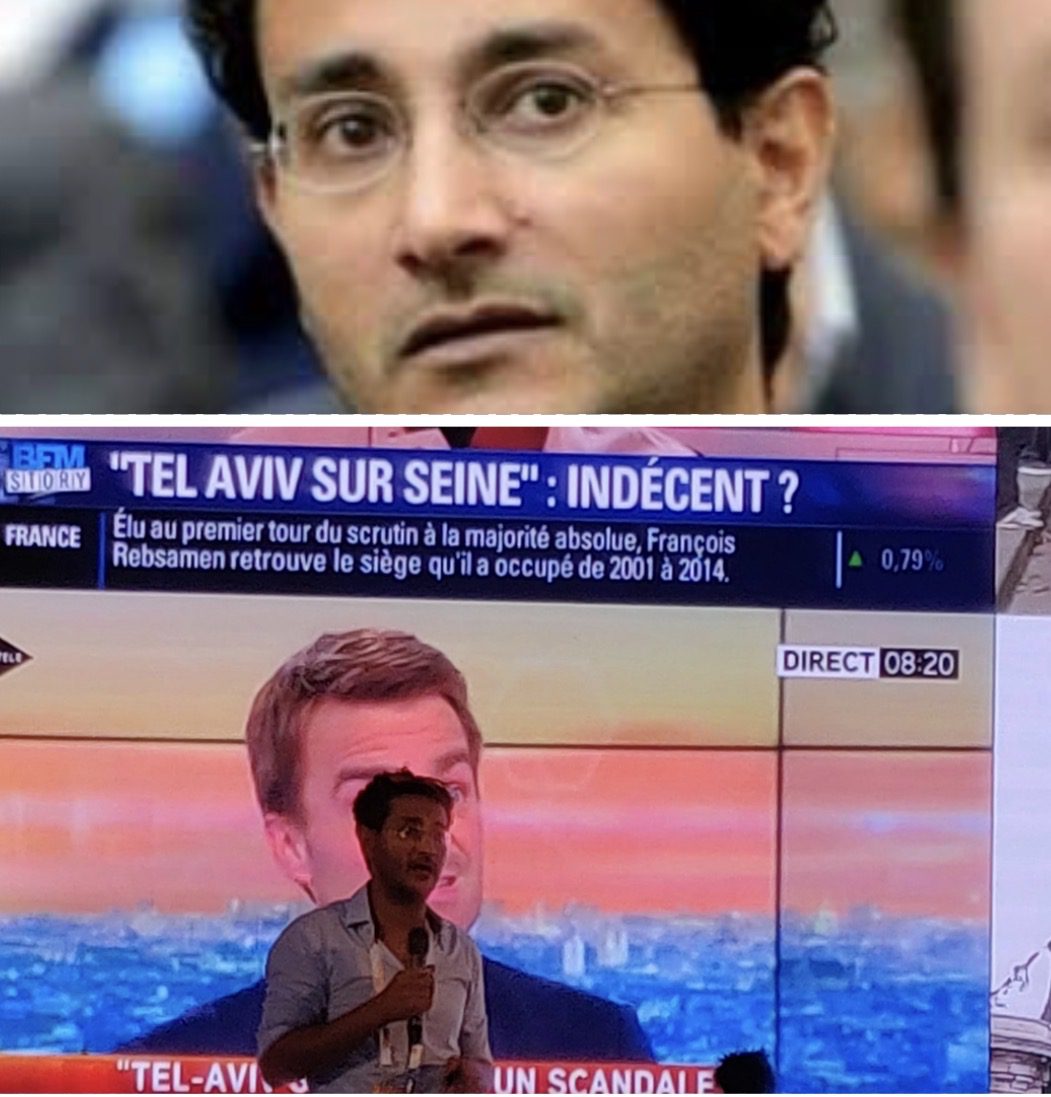
Elad Ratson’s rise within Israel’s Ministry of Foreign Affairs reveals a deeply troubling convergence of diplomacy, digital surveillance, and narrative management that appears aimed at marginalising and undermining voices critical of Zionism. Far from the traditional image of diplomacy as statecraft conducted through embassies and formal negotiations, Ratson’s work points to a far more aggressive strategy: one rooted in online influence operations, algorithmic intervention and the systematic targeting of dissenting political voices.
According to the material in Rebecca Gordon-Nesbitt’s new book Killing Corbynism: Zionism’s War on Socialism, Ratson was appointed director of research and development around the time Jeremy Corbyn became leader of the Labour Party. This timing is significant. The years that followed saw an extraordinary escalation in allegations of antisemitism directed at the Labour left, with critics arguing that genuine concerns about antisemitism became entangled with efforts to delegitimise anti-Zionist and pro-Palestinian activism. Ratson himself reportedly claimed to have been studying online antisemitism on behalf of the Israeli state since 2013, reaching the highly contentious conclusion that left-wing expressions of anti-Jewish hatred outweighed those of the far right by a ratio of 29 to 1.
That claim alone invites serious scrutiny. It is described in the excerpt as “evidence-free”, raising immediate questions about methodology, intent, and political purpose. Such a dramatic ratio, absent transparent evidence, risks functioning less as objective analysis and more as a rhetorical weapon, one capable of reshaping public discourse around who is seen as dangerous and who is not. In a political environment already charged by debates over Israel and Palestine, such framing could have profound consequences for public opinion and institutional responses.
More concerning, however, is the role Ratson appears to have played in operationalising these narratives online. The excerpt describes a system of “digital diplomacy” designed to identify online influencers and network participants who could then be contacted by the Ministry of Foreign Affairs to help shape and brand a new policy stance. This suggests not merely observation of public debate, but active intervention in it. The use of so-called digital “bridges” — social media users entering anti-Zionist spaces to counteract narratives — resembles a coordinated influence strategy intended to disrupt organic political discussion.
Such tactics blur the line between diplomacy and information warfare. Rather than openly contesting ideas in the public sphere, this model appears to rely on infiltration, narrative steering and strategic amplification. If, as the text suggests, many of the individuals and groups that later attacked Corbynism followed Ratson online, this raises difficult questions about networks of influence and the role of state-linked digital actors in shaping domestic political controversies abroad.
The technological dimension of Ratson’s work is perhaps the most alarming. The ministry is said to have developed code capable of interacting with Facebook, identifying viral anti-Israel content, and “tickling” the algorithm to flag material for removal. This description implies the use of automated systems to manipulate platform moderation processes, potentially silencing political speech critical of Zionism or Israeli state policy.
If accurate, such practices represent a serious challenge to democratic discourse. Social media platforms already wield immense power over what is seen and what disappears. A state actor developing tools to influence those systems raises concerns not only about censorship but also about covert suppression of political viewpoints. The excerpt also notes that Ratson worked alongside 33 programmers across six simultaneous software development projects, strongly suggesting that these activities were not isolated experiments but part of a larger, well-resourced digital infrastructure.
This was not limited to suppression. Alongside efforts to identify and remove anti-Israel messaging, the ministry reportedly invested in coordinated amplification of pro-Israel content. Platforms such as israelretweeted.me and later retweetisrael.org appear designed to mobilise users into daily dissemination of state-approved messaging. The purpose was not merely communication, but repetition, reach and algorithmic dominance. In the ecosystem of modern social media, frequency and coordination can manufacture the appearance of consensus, drowning out dissenting perspectives through sheer volume.
By 2017, these operations appear to have become even more formalised. The ministry’s twenty-four-hour “hackathon”, bringing together fifty web developers to find ways of thwarting anti-Zionist digital messaging, reads like an institutional commitment to technological counter-insurgency in the information sphere. The language itself is revealing: dissent is framed as something to be “thwarted”, rather than debated or answered.
Ratson’s subsequent relocation to London as special adviser on “algorithmic diplomacy” and later head of data diplomacy extends the implications beyond Israel’s borders. London, as a major political and media hub, was a critical arena during the years of fierce debate over Labour, Palestine solidarity and accusations of antisemitism. His presence there, carrying diplomatic status, suggests that these digital strategies may have intersected directly with British political discourse at a crucial historical moment.
Taken together, the picture that emerges is one of a sophisticated state-backed effort to monitor, influence, suppress and counter those challenging Zionism online. Whether through influencer networks, algorithmic flagging, automated amplification, or coordinated digital interventions, Ratson’s role appears central to a broader apparatus designed not simply to defend Israel’s image but to undermine critics at the level of narrative infrastructure itself.
For those concerned with free speech, democratic accountability and the integrity of political debate, the implications are profound. The question is no longer simply who controls the message, but who controls the systems through which the message is allowed to live or disappear.