

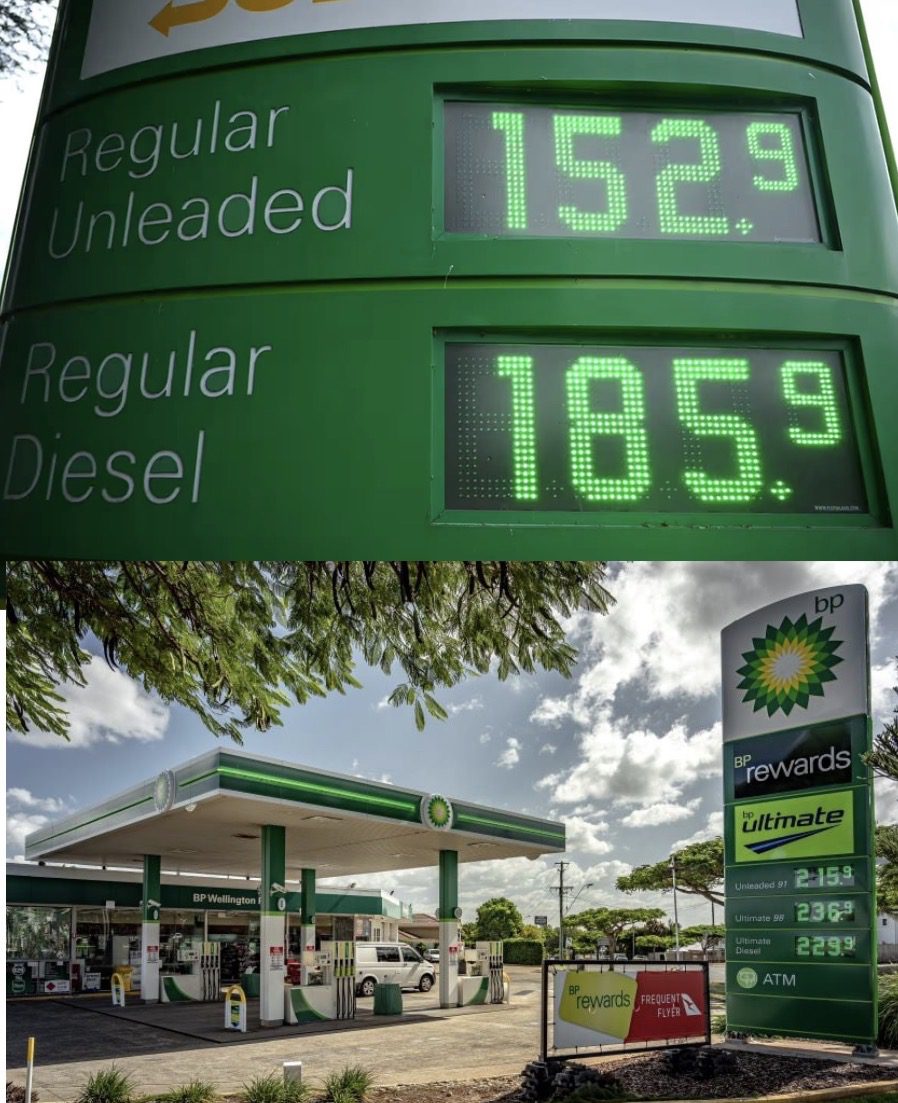
When energy giant BP posts profits of over $3 billion in just three months, it is not merely a sign of corporate success; it is a stark indictment of a system that allows crisis to be converted into cash while ordinary people are left footing the bill.
The company’s latest results reveal underlying profits of $3.198bn (£2.366bn), more than double the $1.381bn recorded a year earlier and well above analyst expectations. The explanation, in BP’s own words, is chillingly direct: “exceptional oil trading.” Behind that bland phrase lies a brutal truth: war, instability, and global anxiety have become fertile ground for profit extraction.
The surge in oil prices has been driven largely by conflict in the ‘Middle East‘, particularly disruptions linked to the effective closure of the Strait of Hormuz, a chokepoint through which roughly a fifth of the world’s oil supply flows. As prices soared past $100 a barrel, households across the UK and beyond braced for another round of punishing energy bills. For BP, however, the crisis has proven a windfall.
This is the grotesque imbalance at the heart of modern capitalism: the worse things get for the public, the better they can get for corporations positioned to exploit volatility. BP’s operations, largely insulated from the immediate impacts of conflict due to their concentration in North America, allow the company to enjoy elevated prices without suffering the disruptions that might otherwise temper such gains. It is, in effect, the perfect storm: profit without consequence.
Meanwhile, consumers are staring down the barrel of rising costs. The UK’s energy price cap is expected to climb significantly, adding hundreds of pounds to household bills. Businesses, already strained by years of economic turbulence, face increased operating costs that will inevitably be passed on to customers. Inflation, already stubborn, is further entrenched by the cascading effects of high energy prices. Yet amid all this, BP thrives.
There is, of course, the question of taxation. The UK government’s energy profits levy, introduced after the post-Ukraine war price spike, was designed to claw back some of these extraordinary gains. On paper, BP’s North Sea operations faced a headline tax rate of 78%. But the reality is more complex and far less reassuring. The company’s overall effective tax rate has fallen sharply, from 69% last year to just 43% now. In other words, even as profits soar, the proportion returned to the public purse has declined.
Ed Miliband has rightly stated that “profiting from a crisis is morally and economically wrong.” Yet moral outrage, however justified, does little to alleviate the immediate burden on consumers. The structural imbalance remains: corporations reap windfalls while governments scramble to mitigate the fallout.
Environmental and advocacy groups have not held back. Greenpeace and Global Witness have both condemned what they see as an industry thriving on human suffering. Their criticism cuts to the core of the issue. Not only are these companies profiting from geopolitical instability, but they are doing so while contributing to a climate crisis that will impose even greater long-term costs on society.
This is not simply about one company or one quarter’s results. It is about a systemic failure to align corporate incentives with public welfare. As long as profit remains tied to scarcity, disruption, and crisis, companies like BP will continue to benefit from precisely the conditions that harm everyone else.
So yes, you might well feel cheated. Because while you are adjusting your thermostat, cutting back on essentials, and wondering how to absorb yet another price hike, somewhere in a boardroom the numbers are being tallied and the conclusion is clear: crisis makes the rich richer.







