

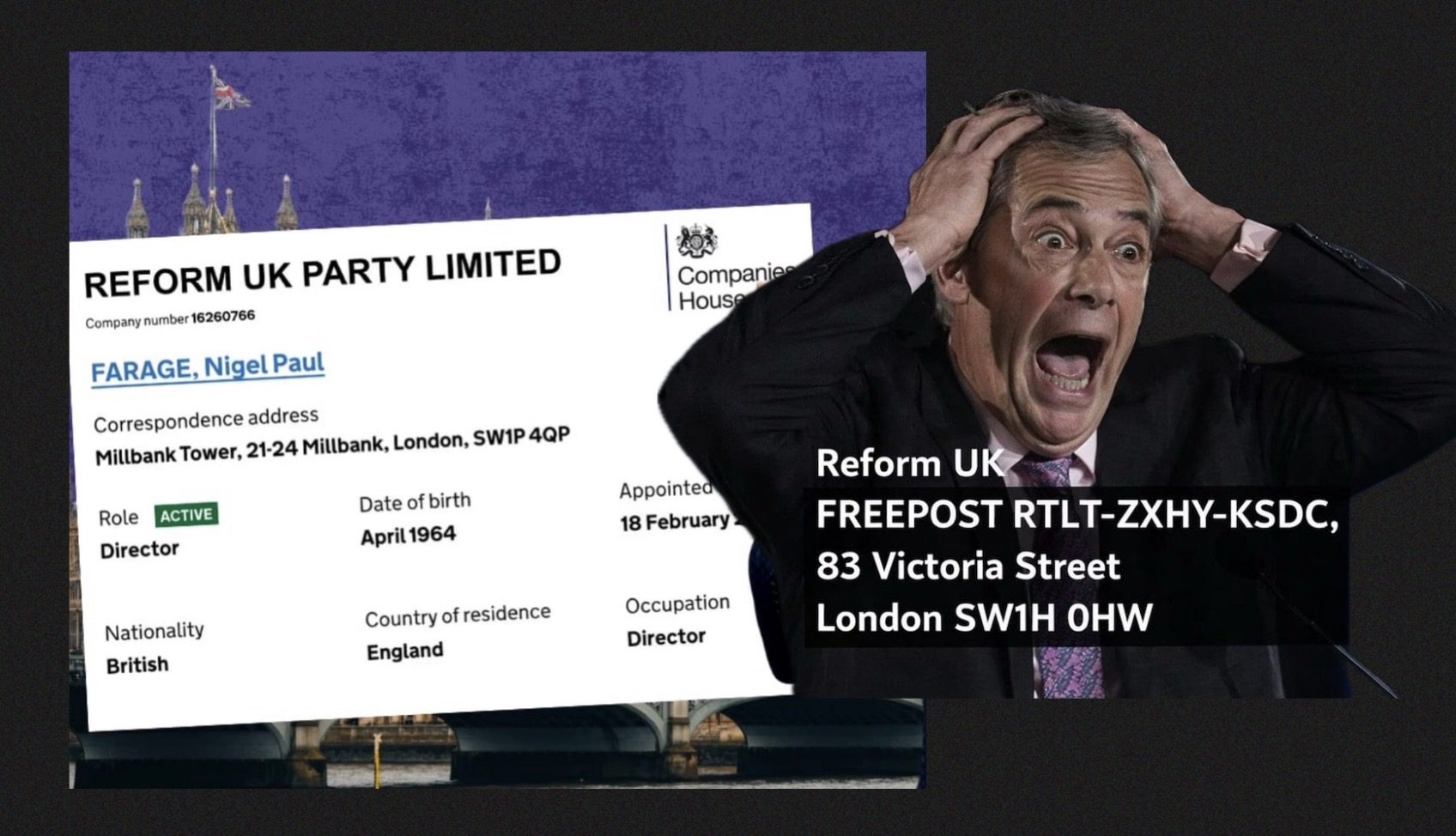
Welcome to the new installment of Reform UK Ltd Unmasked.
A growing investigation into a slate of political candidates has uncovered a pattern of inflammatory rhetoric, conspiracy theories, and deeply controversial statements that raise serious questions about standards in public life.
Among those highlighted is Emma Clatworthy, standing for election in the Welsh Senedd. Clatworthy, who describes herself as a “quantum health practitioner,” has reportedly used social media platforms to promote a range of fringe and conspiratorial views. These include claims that the late Queen was “a fraud,” that the public has been “brainwashed and programmed since they started school,” and that flu vaccines cause illness rather than prevent it. Such remarks place her firmly within a wider ecosystem of misinformation that has grown in recent years, particularly online. Her candidacy also raises eyebrows given the past role of senior political figures in promoting vaccine uptake, creating an apparent contradiction within the broader political movement she represents.
Equally troubling are statements attributed to Daniel Devaney, a candidate in Bradford, who allegedly posted highly inflammatory and Islamophobic comments online. These included calls for violence and derogatory descriptions of Muslims, alongside rhetoric suggesting an “invasion” by “potential terrorists.” The language, if accurately reported, goes beyond political critique into outright hate speech, prompting concerns about the normalisation of extreme views in electoral politics.
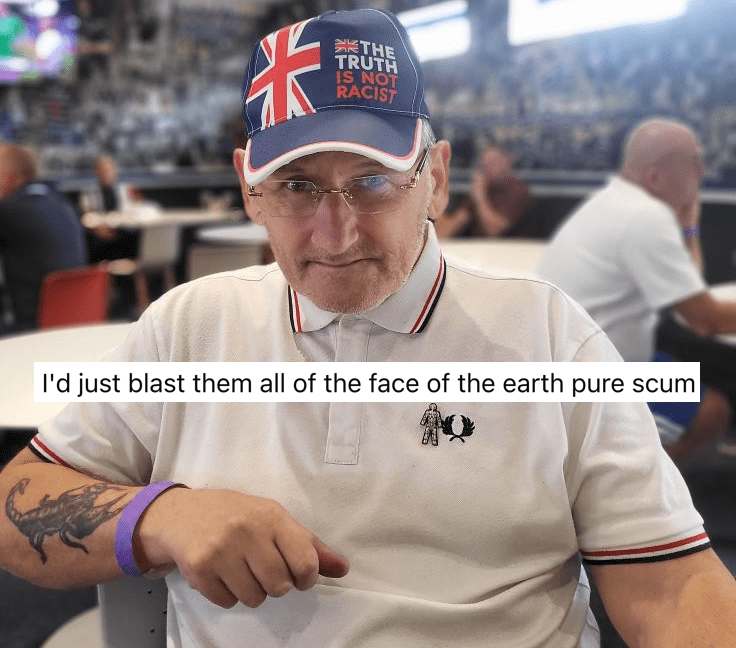
Similar patterns emerge elsewhere. Ricky Hodges, standing in East Sussex, has reportedly made aggressive and demeaning remarks about political opponents and Muslim communities, including violent imagery directed at individuals. Meanwhile, Angus Dalgleish, a candidate in Sutton and a qualified doctor, has been quoted suggesting a link between Covid-19 vaccines and King Charles’s cancer, an assertion that runs counter to established scientific consensus and has been widely criticised by medical professionals.
In Westminster, candidate James Bembridge has drawn attention for his outspoken hostility towards the NHS, declaring that he would “tear it down and salt the earth upon which it stood.” Such comments appear at odds with public reassurances from political leaders that the health service would remain protected, fuelling debate over the true direction of policy. Bembridge has also made disparaging remarks about NHS staff, adding to the controversy.
Other candidates have faced scrutiny for racially insensitive or inflammatory content shared online. Alan Stay, standing on the Isle of Wight, reportedly circulated imagery widely condemned as racist, while Martin Roberts, a Senedd candidate, made contentious claims about childcare policies leading to increased abuse—comments critics argue are both unfounded and alarmist.
In Swindon, Terrence David Reynolds has openly defended posts calling for Muslims to leave the UK and proposing sweeping immigration bans targeting Islamic nations. Similarly, Kate Michaela, standing in West Sussex, has been linked to statements advocating for the removal of all Muslims from the country by 2030, alongside derogatory remarks about senior politicians. These positions have sparked outrage and intensified concerns about the tone and direction of political discourse.
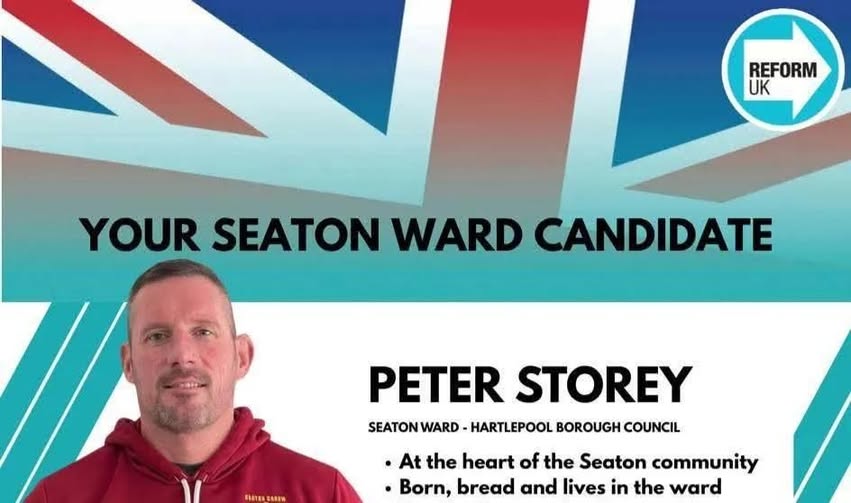
Even lighter moments have not escaped scrutiny. In Hartlepool, candidate Peter Storey drew attention for an apparent typo on campaign material—“Born, bread and lives in the ward”, prompting ridicule but also highlighting the uneven professionalism across campaigns.
These revelations echo criticisms that emerged after the 2024 general election, when candidates associated with the same political movement were found to have expressed admiration for widely condemned figures. At the time, party leadership acknowledged that the controversy had caused “enormous harm,” admitting that the candidate selection process had allowed individuals with extreme or inappropriate views to stand.
Taken together, the latest findings suggest that these issues have not been fully resolved. Instead, they point to ongoing challenges around vetting, accountability, and the boundaries of acceptable political expression. As voters head to the polls, the spotlight is once again on the standards expected of those seeking public office and whether parties are doing enough to uphold them.
Thanks to Hope Not Hate.







