

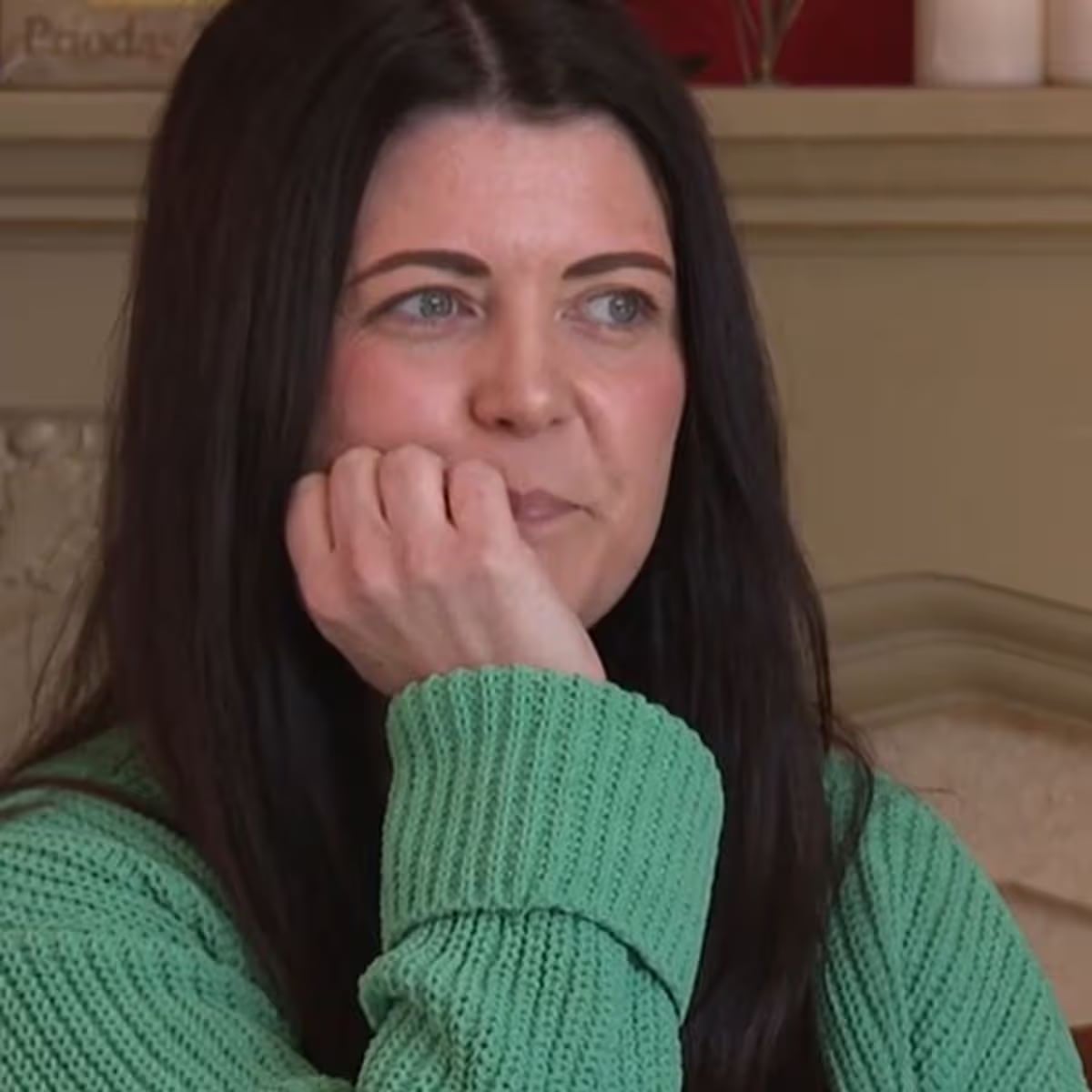
A live television interview took an unexpectedly dramatic turn when Reform UK’s deputy leader in Wales, Helen Jenner, reversed her position mid-broadcast following intervention from party leader Nigel Farage.
Appearing on the Welsh-language programme Newyddion S4C, Jenner was questioned over controversial remarks made by Reform UK donor Arron Banks. Banks had drawn criticism after posting a comment on social media appearing to question the Welsh identity of a Black Plaid Cymru campaigner, writing “Welsh lad?”, a remark widely condemned as racially insensitive.
During the interview, Jenner was repeatedly pressed to say whether Banks should apologise. Despite being asked five separate times, she refused to call for an apology, maintaining a firm stance and declining to criticise the party’s prominent financial backer.
However, the situation shifted abruptly when the presenter informed Jenner that Farage had, in a separate interview with BBC Wales, stated clearly that Banks “absolutely should apologise” for the remark. The revelation prompted an immediate and visible change in Jenner’s position.
Within moments, she reversed her earlier stance, agreeing that an apology was necessary. She added that anyone whose comments are interpreted in such a way should clarify their meaning and apologise accordingly. The sudden shift, unfolding live on air, left viewers with a striking example of political messaging changing in real time.
The incident has since drawn significant attention on social media, with critics highlighting the apparent lack of consistency and independence in Jenner’s response. Supporters, meanwhile, argue that aligning with the party leader merely demonstrates a return to 1933-45 Germanic values.
Regardless of interpretation, it has become yet another example of how populist politicians will say anything their bosses tell them to.







