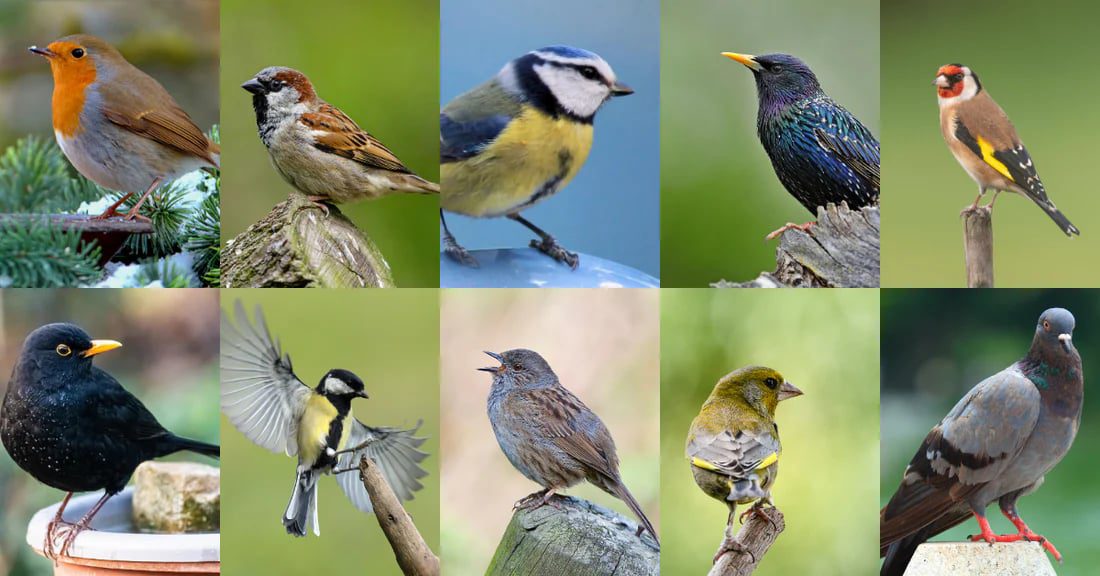
Wildlife lovers are being urged by the RSPCA to make small seasonal changes to how they feed birds this summer – in a move that could save lives and halt the spread of disease.
The charity is cautioning fans of feathery friends to find alternatives to seeds and nuts for garden birds. It follows new research from the RSPB that highlights a worrying decline in some beloved birds, linked to the spread of potentially fatal trichomonosis.
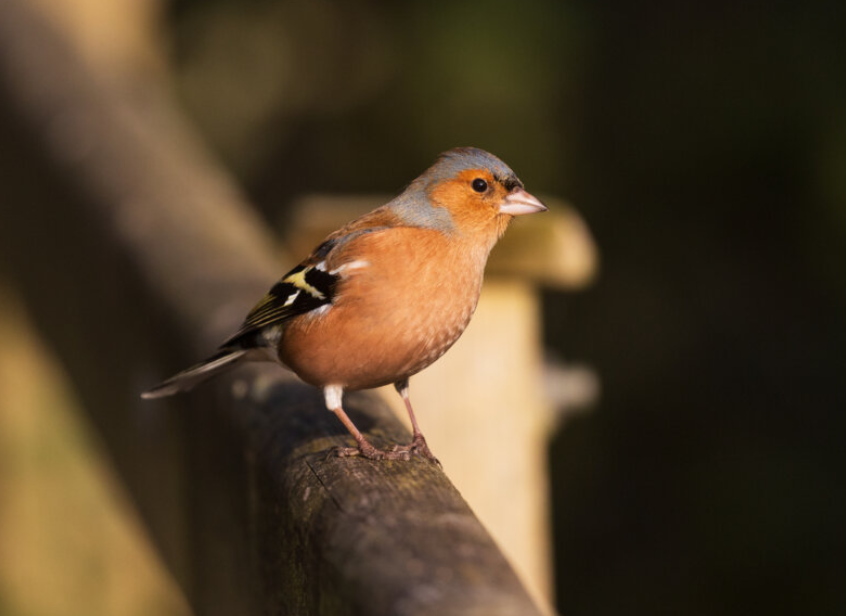
But simple adjustments to how we feed birds will help reduce disease transmission during the warmer months. From 1 May to 31 October, people are advised to stop offering seeds and nuts, clean feeders more regularly, and adopt safer feeding habits.
Trichomonosis is a disease that affects the mouth, throat and upper digestive tract, making it difficult for birds to eat, drink, or breathe. It does not pose a risk to humans or to pets, other than birds. As with many infections, it spreads more easily where birds gather in large numbers, such as at feeding stations.
Some feeding stations can also bring together different types of birds and animals that would not normally mix, increasing the risk of exposure to new illnesses. Larger congregations can lead to contamination of feeders through droppings or saliva, allowing diseases to spread more quickly, especially with feeders that have flat-surfaces where debris can collect. Because of these risks, experts recommend avoiding the use of certain bird tables and other flat feeders year-round – and to make safe swaps to products like fat balls.
Rebecca Machin, wildlife expert at the RSPCA, said: “We share in the joy so many people have about birds visiting their gardens, and we know feeding them comes from a really kind place. Figures from our Animal Kindness Index show that nearly half of people (48%) have fed birds in the past year, so we know how widespread and well-meaning this is.
“The good news is that during the summer months, birds can find plenty of natural food sources, such as plants and insects. So taking a seasonal break from offering nuts and seeds and ensuring feeders are kept clean can help keep our garden birds healthy.
“Alternative bird foods can still be provided, including fat balls. Finches, who are most at risk from trichomonosis, don’t tend to eat these, so this means that other birds will still be able to visit our feeders.
“While it’s best to pause feeding seeds and nuts, it’s still great to provide fresh, clean water for garden birds, which is not only essential for drinking but also for bathing, which helps birds keep their feathers in good condition. However, only offer water if you’re able to change it regularly to ensure it doesn’t become an unintentional disease risk.”
Simple ways to help protect garden birds:
- Feed seasonally: pause filling up bird feeders with seeds and nuts between May and October when disease risk is higher
- Keep feeders and water baths clean
- Rotate feeder locations to avoid build-up of waste and contamination
- Avoid bird tables and feeders with flat surfaces where contaminated debris can collect
- Provide fresh, clean water daily for drinking and bathing
- Grow bird-friendly plants: attract birds to your garden all year round by growing a range of plants that provide natural food for finches and other birds, without spreading disease. Try planting sunflowers, teasels, ivy, and thistles, which other animals will eat and shelter in too.
There are still plenty of ways to keep your garden wildlife-friendly to protect local animals and birds:
- Leave and encourage ‘wild’, insect-friendly areas in your garden to encourage insects.
- Avoid netting to cover ponds, fruit or vegetables as animals can become easily entangled, causing serious injuries and sometimes death – and put away sports netting when not in use. If you find a trapped animal and can do so safely, please try to free them and take them to a vet yourself – this will ensure they get help as quickly as possible. Find out more on our website.
- Cover all drains and leave watering cans upside down to prevent animals from falling in or becoming trapped.
- Check carefully for animals before mowing or strimming the lawn, check bonfires for hibernating animals before setting light to them and never disturb nesting or hibernating animals.
- Provide logs, compost and leaf piles which provide shelter for animals like hedgehogs and are havens for insects.
- Amphibians such as toads, frogs and newts need a pond to breed so adding one to the garden is a great way to encourage animals. Ensure there is a slope or ramp out of any ponds – which provide a natural source of water and attract food sources such as insects – to create easy access in and out.
- Create homes for wildlife such as ‘hogitats’ (hedgehog homes), bat boxes, bird boxes, bee houses and insect hotels – there’s instructions on the RSPCA website.
- Leave out fresh, clean water
- Avoid using dangerous pesticides and other harmful chemicals, and storing chemicals away from any wildlife and pets.
- Plant a range of native plants to encourage pollinators such as bees, hoverflies and butterflies.
Members of the public can also sign up to become an RSPCA Wildlife Friend, the charity’s volunteering scheme aiming to change the lives of animals for the better. By volunteering and taking action for animals in their communities, the microvolunteers taking part will not only be helping wildlife but will also be ensuring that the RSPCA’s frontline staff have more time to focus on tackling cruelty and neglect.