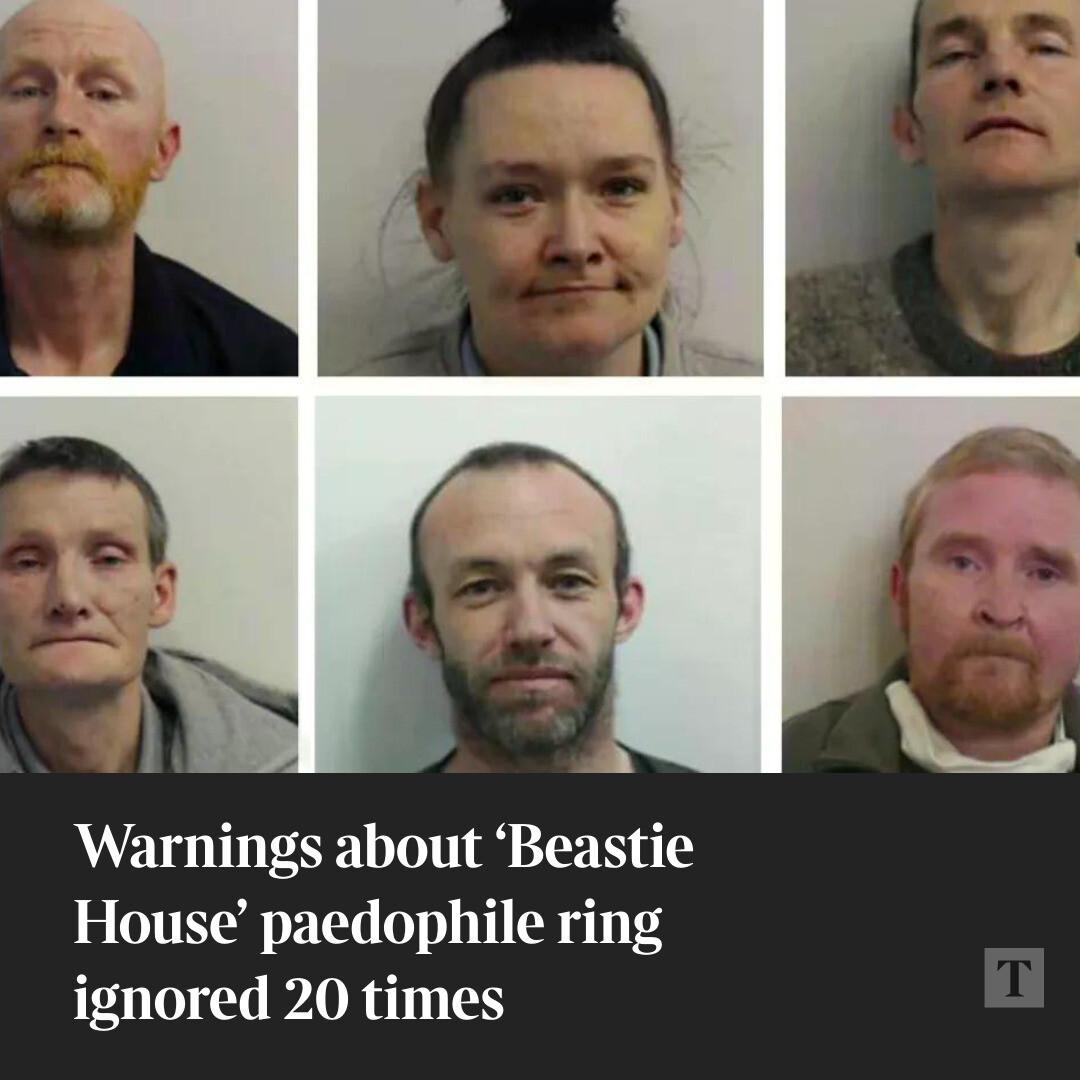
The “Beastie House” case has become one of the most disturbing child abuse scandals in modern Scottish history, exposing not only the depravity of a paedophile ring in Glasgow, but also catastrophic failures by authorities who repeatedly missed opportunities to save vulnerable children.
The case centred on a filthy drugs den in Glasgow’s Townhead district, later nicknamed the “Beastie House” because children were allegedly forced to behave like animals, eat pet food, and endure horrific abuse. Between 2012 and 2019, several children were subjected to sustained sexual abuse, violence, neglect, humiliation and torture by a gang of adults addicted to heroin and crack cocaine.
In November 2023, seven members of the gang were convicted at the High Court in Glasgow. The offenders — Iain Owens, Elaine Lannery, Lesley Williams, Paul Brannan, Scott Forbes, Barry Watson and John Clark — were later sentenced to a combined total of 93 years in prison alongside lifelong restriction orders. Prosecutors described the crimes as among the worst ever heard in a Scottish court.
Court proceedings revealed horrifying details. Children were allegedly gang raped during what offenders called “child rape nights”, plied with alcohol and drugs, forced to abuse one another, and subjected to sadistic punishments. One child was reportedly pushed into a microwave, another locked in a freezer, while others were suspended from walls or deprived of food. Victims later described the flat as “dark and scary”.
However, what has caused national outrage is the revelation that authorities had repeated contact with the children for years before action was finally taken.
A major independent “learning review”, published in May 2026 by Glasgow’s Child Protection Committee, concluded there were more than 20 missed opportunities where intervention could have protected the children. The report found professionals from social work, education and health services routinely observed alarming signs of neglect and distress but failed to connect the evidence or escalate concerns properly.
According to the review, children were frequently dirty, hungry and suffering untreated medical conditions. One child reportedly had 12 rotten teeth removed before the age of five. Others regularly missed school and medical appointments, while neighbours and community workers raised repeated alarms.
One of the most haunting revelations involved a child desperately trying to stop officials from leaving the property. The report states the child banged on windows and begged a visiting professional not to go. Rather than triggering emergency action, the behaviour was recorded as merely “challenging”.
The review also criticised what it described as “seriously flawed” professional decision-making and a culture that frequently prioritised the chaotic lifestyles of adult offenders over the safety of children. In one especially shocking example, a child victim was labelled “nasty” and “streetwise” by professionals.
Independent review chair Colin Anderson, a veteran child protection expert, said it was “difficult to comprehend” how abuse on such a scale continued unchecked despite extensive involvement from public agencies over many years. He warned that Scotland’s child protection system could not guarantee similar failures would never happen again.
The scandal has prompted political fallout across Scotland. First Minister John Swinney described the findings as “deeply troubling” and said reforms must follow. Critics have also demanded accountability from senior officials within Glasgow’s social work structures, arguing systemic negligence allowed the abuse to continue for years.
For many observers, the “Beastie House” case has become a grim symbol of institutional failure, not because warning signs were absent, but because they were repeatedly seen, recorded and ultimately ignored.
And not a word from Tommy Ten Names and his band of racists.