As Britain swelters through record-breaking temperatures, thousands of people have headed to beaches, rivers, lakes and reservoirs in search of relief. But while the air may feel tropical, the water remains dangerously cold — and experts warn that this contrast can prove deadly within seconds.
The recent heatwave has already been overshadowed by tragedy. Across the UK and Ireland, ten people, nine of them children or teenagers, have died in water-related incidents during just a few days of unusually hot spring weather. Their deaths have prompted urgent warnings from the Royal National Lifeboat Institution and water safety organisations about the often misunderstood danger of cold water shock.
Tuesday became the hottest May day ever recorded in the UK, breaking records for the second consecutive day. Yet despite soaring temperatures on land, rivers, lakes and seas are still cold enough to trigger a severe physical reaction when someone suddenly enters the water.
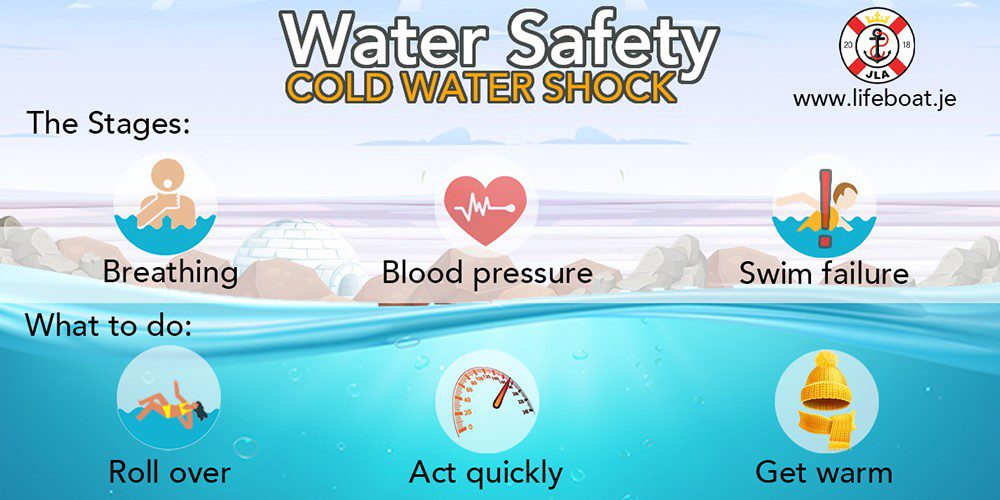
According to Water Safety England, cold water shock occurs when the body is abruptly immersed in cold water, typically below 15C. The reaction is involuntary and immediate. Blood vessels in the skin constrict rapidly, heart rate and blood pressure spike, and breathing becomes uncontrollably fast.
For many victims, the first symptom is a sudden gasp for air. That alone can be fatal if the head is underwater. Panic quickly follows, and even strong swimmers can find themselves unable to control their breathing or movements.
The RNLI warns that breathing rates can increase tenfold during cold water shock, while the strain on the heart can trigger cardiac arrest — even in relatively young and healthy individuals.
Perhaps most frighteningly, it can all happen in moments.
The charity warns that inhaling even a small amount of water can quickly lead to drowning. “This can all happen very quickly,” the RNLI says, adding that only half a pint of seawater entering the lungs can place an adult in serious danger.
The recent fatalities underline how indiscriminate the danger can be.
Fifteen-year-old Declan Sawyer died after getting into difficulty at Swanholme Lakes in Lincoln. His father later urged families to speak to children about the risks associated with open water.
A 13-year-old boy died after entering Leadbeater Dam near Halifax, while another teenage girl was recovered from the water at Kingsbury Water Park in Warwickshire.
In South Yorkshire, a teenager died after going missing at Rother Valley Country Park, while 12-year-old Junior Slater lost his life in the River Ribble in Lancashire after swimming with friends.
Elsewhere, a man in his 60s suffered cardiac arrest after entering the sea at Tregirls Beach in Cornwall to help relatives in difficulty. Other teenagers died or went missing in incidents in Cheshire, Hampshire and Ireland during the same heatwave.
These tragedies highlight a dangerous misconception: that warm weather means safe water.
In reality, Britain’s seas, lakes and reservoirs remain cold well into late spring and early summer. Reservoirs and inland lakes can be particularly hazardous because deeper water stays cold even during hot spells.
The RNLI is urging people to remember its “Float to Live” advice if they unexpectedly find themselves struggling in water.
The guidance is simple but potentially lifesaving: tilt your head back, keep your ears submerged, relax, and try to control your breathing. Moving your hands and legs gently can help maintain buoyancy while resisting the instinct to thrash or swim immediately.
The charity stresses that the first minute is often the most dangerous. Surviving that initial shock reaction dramatically improves a person’s chances of survival.
Parents are also being encouraged to speak openly with children and teenagers about water safety during the school half-term break. Many young people underestimate the risks posed by open water, especially when socialising with friends during hot weather.
The heartbreaking deaths seen this week serve as a stark reminder that Britain’s waterways can become deadly without warning. While sunshine and soaring temperatures tempt people into the water, experts say understanding cold water shock — and respecting the risks — could save lives.