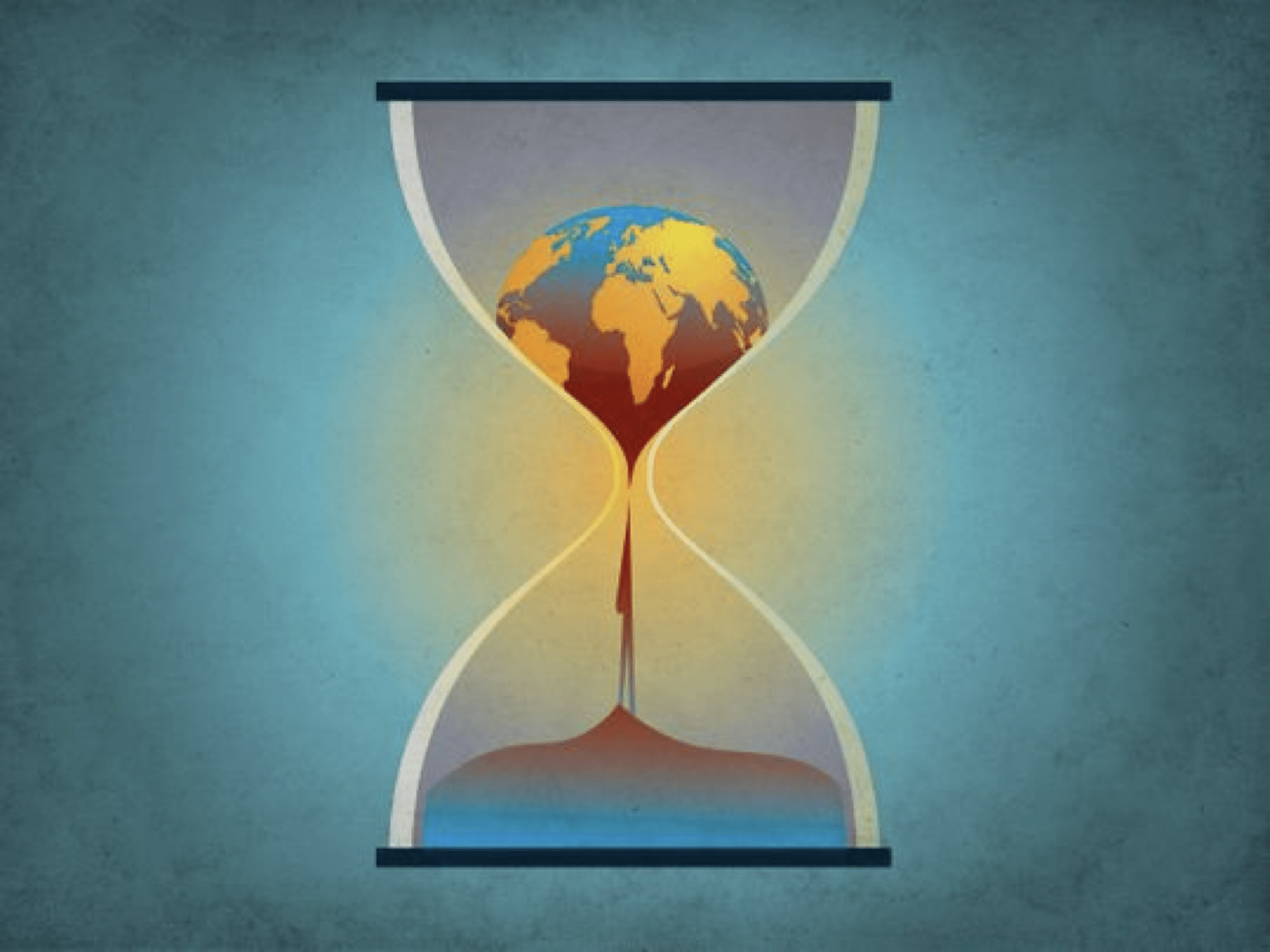
Europe is heating faster than any other continent on Earth and the consequences are no longer theoretical. They are unfolding in real time, reshaping landscapes, straining economies, and forcing an uncomfortable question: can Europe afford to adapt to what is coming?
The latest European State of the Climate report, compiled by the Copernicus Climate Change Service and the World Meteorological Organization, paints a stark picture. Nearly the entire continent experienced above-average temperatures in 2025. Portugal recorded a searing 46°C. Temperatures climbed to 30°C inside the Arctic Circle. Spain battled 20 major wildfires simultaneously. These are not isolated anomalies; they are signals of a system shifting rapidly out of balance.
The report describes “dangerously high” temperatures already producing widespread consequences for ecosystems and societies. In the UK, the impacts were tangible and costly. The country endured its hottest summer on record, alongside water shortages, record wildfire outbreaks, and approximately £800 million in agricultural losses. What was once considered exceptional, like the infamous 1976 heatwave, is now becoming routine.
This is the defining feature of Europe’s climate crisis: acceleration. According to Samantha Burgess, past extreme heat events were often localised. Now, heatwaves stretch across entire regions, from Britain to Eastern Europe and down to Greece in a single, continuous sweep. Hilary McGrady has warned that these “exceptional years are now becoming the norm,” underscoring how quickly baselines are shifting.
So why Europe? The answer lies partly in geography. The continent sits adjacent to the Arctic, the fastest-warming region on the planet. As Arctic ice melts, it reduces the Earth’s ability to reflect solar radiation, accelerating warming further south. Snow cover across Europe is also declining, removing another natural cooling mechanism.
At the same time, Europe is paradoxically becoming sunnier. Decades of air pollution controls have cleaned up skies, allowing more solar radiation to reach the surface. While this has clear health benefits and supports renewable energy, it also intensifies heat. Changing atmospheric patterns are compounding the problem, creating stronger, longer-lasting heatwaves.
The result is a feedback loop: hotter temperatures lead to drier soils, which in turn amplify heatwaves, increasing the likelihood of wildfires and crop failures. Infrastructure, designed for a milder climate, is buckling under the strain.
Adapting to this new reality will not come cheap. Analysts increasingly warn that the cost will run into the trillions of euros over the coming decades. Cities will need to be redesigned with heat-resistant materials and expanded green spaces. Water systems must be overhauled to cope with both drought and sudden flooding. Agriculture will require transformation, with new crops, irrigation systems, and land management practices.
Even energy systems face paradoxes. While solar power is booming, reaching a record 12.5% of Europe’s electricity, extreme heat can reduce the efficiency of solar panels. At the same time, higher temperatures drive up demand for cooling, placing additional stress on power grids.
There is also the question of whether adaptation alone is enough. Some impacts may simply outpace the ability of societies to respond. Coastal regions face rising seas. Southern Europe risks desertification. Biodiversity loss is accelerating as habitats shift faster than species can adapt.
The economic burden will not be evenly shared. Wealthier nations may be able to invest in resilience, but poorer regions, both within and beyond Europe, will face disproportionate hardship. This raises deeper political and ethical questions about responsibility, solidarity, and the limits of national responses to a global crisis.
There are, however, faint glimmers of progress. Renewable energy expansion, particularly solar, is accelerating. Public awareness is growing. Institutions are beginning to grapple with the scale of the challenge. But the gap between action and necessity remains vast.
Europe’s trajectory is a warning to the rest of the world. What is happening across the continent today, relentless heat, escalating costs, and shrinking margins for error, will not stay contained. The question is no longer whether Europe can stop the warming. It is whether it can adapt fast enough, and at a cost it can bear, before the climate reshapes the continent beyond recognition.