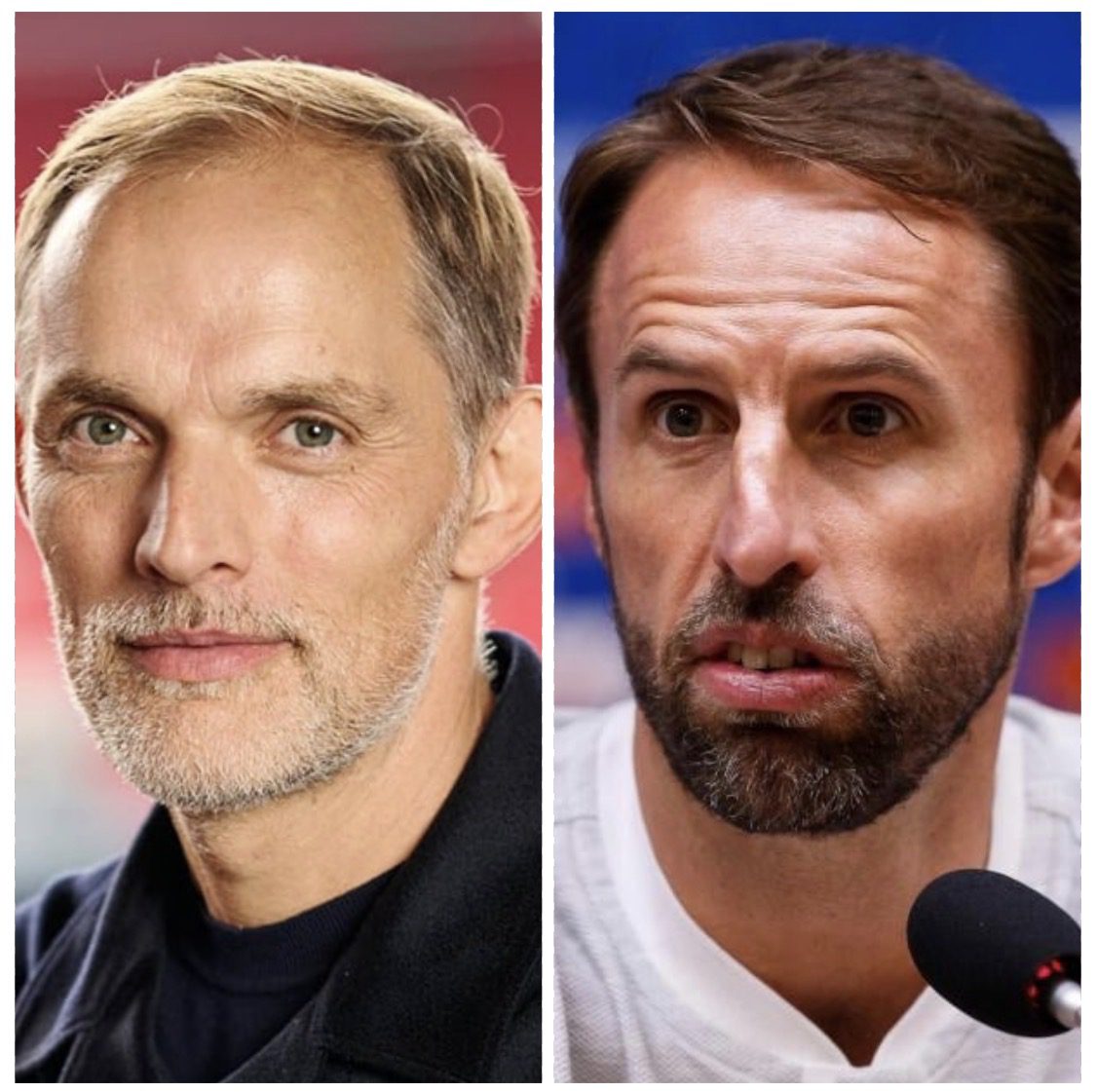
When Thomas Tuchel took the England job, he inherited more than a squad. He inherited the shadow of Gareth Southgate and that shadow may prove impossible to escape unless he delivers the one thing Southgate never could: a World Cup.
That sounds harsh given Southgate failed to win a major tournament himself, but context matters. Southgate transformed England from a fractured, emotionally brittle national side into a modern football culture built on trust, discipline and unity. He reached a World Cup semi-final, a European Championship final and another Euros final while reconnecting players with supporters in a way few England managers ever managed.
Success under Southgate was never measured purely by silverware. It was measured by stability, harmony and progress.
Tuchel, however, has immediately altered the terms of engagement.
The leaks surrounding England’s World Cup squad announcement represented more than modern football gossip culture. They suggested a crack in the environment Southgate spent years carefully building. Under Southgate, tournament squads were tightly controlled affairs. Players discovered their fate together, close to the official announcement, reducing the opportunity for public grandstanding, disappointment spilling into the media, or dressing-room politics becoming external theatre.
Tuchel chose another route.
By Thursday evening, England’s squad had effectively already been announced through journalists and social media whispers before the FA formally revealed anything. The names omitted, including Harry Maguire, Phil Foden and Cole Palmer, were circulating long before fans saw the official squad list.
Maguire’s public reaction exposed the tension immediately. Tuchel’s response, suggesting it “was not necessary to make it public”, felt revealing. Managers who truly control the emotional temperature of a squad rarely need to discuss control publicly.
And that is where the comparison with Southgate becomes unavoidable.
Tuchel insists he selected players he trusts rather than simply the most talented footballers available. His repeated references to “selflessness”, “leadership”, “culture” and players “buying into their role” sound eerily familiar because they are precisely the principles Southgate spent eight years embedding into England’s identity.
The difference is that Southgate built credibility through relationships. Tuchel is demanding trust before he has fully earned it internationally.
That creates enormous pressure on every decision he makes.
Leaving out proven international performers while selecting less established or arguably weaker options becomes far easier to defend if a manager wins. If England lifts the World Cup, Tuchel’s calls will be reframed as brave, decisive and visionary. If England fall short, especially in familiar fashion, those same choices will be dissected mercilessly.
Why was Harry Maguire excluded when tournament football has historically suited him? Why trust players with limited England pedigree over proven performers? Why risk fractures in squad harmony by allowing leaks to dominate the build-up?
The problem for Tuchel is that Southgate raised the baseline expectation beyond mere competitiveness. England is no longer judged as plucky quarter-finalists. Reaching the latter stages is now considered standard. Southgate normalised deep tournament runs while also establishing a positive national culture around the team.
That means Tuchel cannot simply match Southgate’s achievements. Matching them would feel like regression because he has already dismantled elements of the culture that made those achievements possible.
In many ways, Tuchel has positioned himself as the anti-Southgate: colder, more ruthless and more transactional. That can work in club football, where elite coaches often survive purely on results. International football is different. Tournament football magnifies emotion, chemistry and collective spirit.
Southgate understood that instinctively.
Which is why the ghost of Southgate will sit on Tuchel’s shoulder throughout the World Cup. Every team selection, every substitution and every press conference will invite comparison. Every leak, every hint of division and every controversial omission will reopen questions about whether England abandoned a successful formula too quickly.
And because of that, there is now only one outcome that truly validates the change.
For Thomas Tuchel, reaching a semi-final will not be enough. Neither will another final defeat.
Only winning the FIFA World Cup would be a success and he and we all know it.