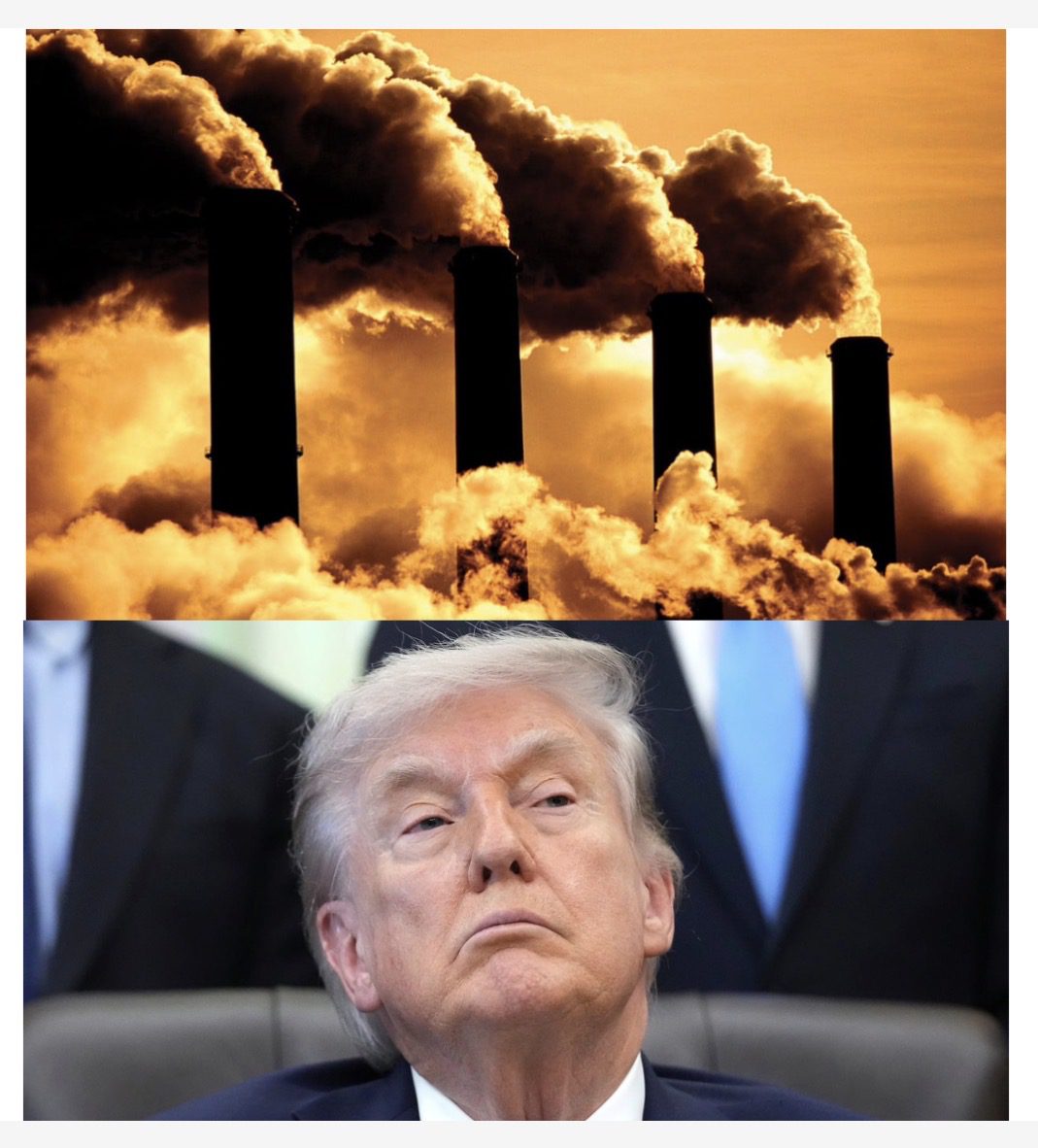
A global energy shock triggered by conflict in Iran is rapidly reshaping the world’s energy landscape and not in the way fossil fuel advocates might have hoped. Instead of reinforcing dependence on oil and gas, the crisis is accelerating a decisive shift toward renewable energy, exposing what many now see as a profound strategic miscalculation.
At the centre of this irony is Donald Trump, whose long-standing commitment to “energy dominance” has focused heavily on maximising fossil fuel production. Yet as oil and gas prices surge due to disrupted supplies, reportedly choking off around a fifth of global flows, the economic pain is pushing nations, businesses, and consumers to seek alternatives faster than ever before.
According to Simon Stiell, head of the United Nations Framework Convention on Climate Change, the situation carries a striking contradiction. Speaking in Paris, he noted that efforts to prolong fossil fuel dependence are “inadvertently supercharging the global renewables boom.” His comments came as preparations intensify for the upcoming COP31 climate talks, where energy security and climate commitments are expected to collide more sharply than ever.
Across the globe, the shift is already visible. In the UK, electric vehicle numbers have surpassed two million, marking a milestone in the transition away from petrol and diesel. Meanwhile, solar energy is surging, with tens of thousands of new installations recorded in a single month—levels not seen in over a decade. Similar patterns are emerging across Europe, where countries such as Germany, France, and Italy are experiencing dramatic increases in EV adoption.
The response is not confined to wealthy nations. In the Philippines, Energy Secretary Sharon Garin has described the acceleration of renewable energy as a “national imperative” in the face of geopolitical instability. Likewise, countries such as Spain and Pakistan have demonstrated resilience during the crisis thanks to prior investments in clean energy infrastructure.
Perhaps most strikingly, France has become the first major economy to formally commit to a complete phase-out of fossil fuels, setting deadlines to eliminate coal, oil, and gas over the coming decades. This kind of long-term planning signals a structural shift in how nations view energy, not merely as a commodity but as a matter of national security.
Industry analysts suggest the implications could be profound. Modelling indicates that if geopolitical instability persists, global oil demand could fall by as much as 20%, with gas demand dropping by around 10%. Such a scenario would fundamentally undermine the economic rationale behind expanding fossil fuel production, particularly in countries doubling down on extraction.
Yet the transition is far from smooth or universal. Some nations, including Germany and parts of China, are turning to coal in the short term to compensate for gas shortages, highlighting the complexity of shifting entire energy systems under pressure. Even traditionally climate-conscious countries like Denmark and the Netherlands are reconsidering domestic oil and gas production to shore up supply.
Meanwhile, the United States continues to prioritise fossil fuel output, maintaining its commitment to energy expansion despite mounting evidence that global markets are moving in the opposite direction. This divergence risks leaving it increasingly out of step with broader international trends.
What is emerging is a new energy paradigm, one less dependent on volatile global markets and more rooted in regional, self-sufficient systems. While this may enhance energy security for many nations, it poses serious challenges for traditional oil-exporting regions, particularly in the Gulf.
In the end, the crisis has exposed a simple but powerful truth: attempts to lock the world into fossil fuel dependence may ultimately hasten its escape.